
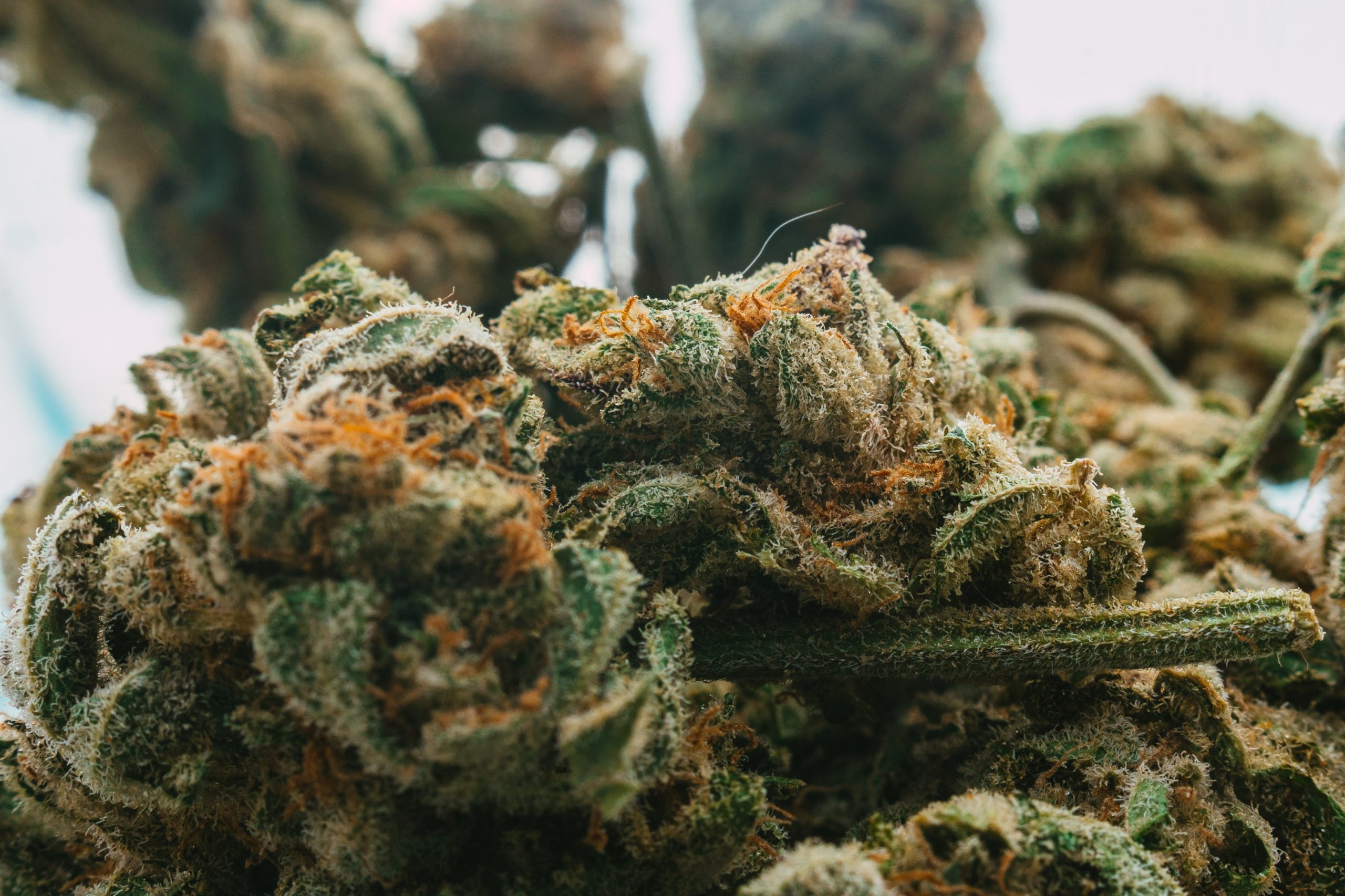
You open a container of flower expecting soft, slightly sticky buds, but instead the cannabis crumbles between your fingers. What happened?
Dry cannabis flower is a common issue, and it doesn’t necessarily mean the product was poor quality when it was harvested. Cannabis continues to change after cultivation, and moisture can gradually escape from flower during drying, curing, packaging, and storage.
However, there’s an important difference between properly cured cannabis and flower that has become excessively dry.
Here’s why cannabis dries out, what that can mean for the experience, and what consumers should know about moisture and freshness.
Why Does Cannabis Flower Get Dry?
Cannabis contains a significant amount of moisture when growers first harvest it. Before anyone can package the flower, producers need to carefully reduce that moisture through drying and curing.
The process helps prepare cannabis for storage and consumption.
However, flower can continue losing moisture afterward. Several factors can accelerate that process, including:
- Excessive air exposure
- Improper packaging
- Low humidity
- High temperatures
- Extended storage
- Frequently opening the container
As moisture leaves the flower, buds can become increasingly brittle.
Properly Cured vs. Overly Dry Cannabis
Cannabis shouldn’t remain wet after harvest. In fact, excessive moisture can create conditions that encourage microbial growth.
At the same time, removing too much moisture can affect the physical characteristics of the flower.
Properly cured cannabis typically retains some flexibility when handled. Extremely dry flower, meanwhile, may crumble with very little pressure.
That distinction matters because dry doesn’t automatically mean properly cured.
Drying and curing are controlled post-harvest processes. Excessive dehydration can happen later because of storage conditions or age.
Does Dry Cannabis Lose Potency?
Not immediately.
Simply losing moisture doesn’t suddenly remove all the THC from cannabis.
However, cannabis chemistry changes over time. Cannabinoids can degrade with age and environmental exposure, particularly under unfavorable conditions involving light, oxygen, and heat.
Therefore, extremely old and poorly stored flower may experience changes beyond moisture loss.
Still, you can’t accurately determine potency by squeezing a bud. Laboratory testing provides far more useful cannabinoid information than texture alone.
What Happens to Terpenes?
This is where dryness can become especially noticeable.
Terpenes are volatile aromatic compounds that contribute to cannabis aroma and flavor. Because they’re volatile, environmental conditions and post-harvest handling can influence how well producers preserve them.
Flower that has spent too much time exposed to air or heat may smell noticeably weaker than fresher cannabis.
As a result, very dry flower can sometimes seem less aromatic or flavorful.
However, moisture isn’t the only factor involved. Genetics, cultivation, curing, age, and storage can all influence terpene retention.
Why Does Dry Flower Burn Differently?
Moisture content affects the physical properties of cannabis flower.
Very dry cannabis breaks apart more easily and may burn more quickly than flower with balanced moisture.
That doesn’t necessarily make it unusable, but it can change the consumption experience.
Likewise, flower that’s excessively moist can present its own problems. The goal isn’t to make cannabis as wet as possible—it’s to maintain appropriate moisture conditions.
Can Cannabis Be Too Moist?
Yes.
Consumers sometimes assume sticky or moist flower automatically means fresh, premium cannabis. That’s not always true.
Resin can make cannabis feel sticky, while water content creates moisture. Those are different things.
Flower that feels unusually wet or shows signs of mold shouldn’t be treated as simply “extra fresh.”
That’s why producers carefully control drying and curing before cannabis reaches dispensary shelves.
Does Grinding Make Cannabis Dry Faster?
Grinding dramatically increases the amount of cannabis surface area exposed to air.
Whole buds protect more of their interior material from direct environmental exposure. Once you grind flower into small pieces, considerably more material contacts the surrounding air.
Therefore, grinding large amounts long before you plan to use them may contribute to faster changes in moisture and aroma.
Keeping flower whole until needed can help limit unnecessary exposure.
What About Pre-Rolls?
Pre-rolls present a slightly different situation because manufacturers grind the cannabis before packaging it.
Good packaging becomes especially important for protecting the product from unnecessary environmental exposure.
Still, pre-roll freshness can change over time just like loose flower.
This is another reason consumers should consider packaging, storage, and product age rather than evaluating cannabis solely by THC percentage.
What Does Research Say About Cannabis Moisture?
Post-harvest moisture management has become an important area of cannabis research.
A scientific study examining drying and curing methods found that post-harvest processing influences flower moisture and other product characteristics. Researchers continue studying how different drying and curing approaches affect cannabis quality.
Read the research on cannabis drying and curing
The research reinforces an important point: what happens after harvest plays a meaningful role in the finished cannabis product.
How Should Cannabis Be Stored?
Once you bring flower home, limiting unnecessary exposure to heat, light, and air can help preserve its characteristics.
Generally, keep cannabis:
- In a sealed container
- Away from direct sunlight
- Away from excessive heat
- In appropriate storage conditions
- Out of reach of children and pets
Avoid repeatedly leaving containers open for extended periods.
You can find more educational guides covering flower, cultivation, cannabinoids, concentrates, and post-harvest processing on the Orange County Cannabis Co. blog.
Can You Rehydrate Dry Cannabis?
Consumers sometimes use humidity-control products designed to maintain a specific relative humidity inside cannabis containers.
However, adding uncontrolled moisture directly to cannabis isn’t a good idea. Methods involving wet food, fruit peels, bread, or other household items can introduce excess moisture and contaminants.
More moisture isn’t automatically better.
The goal should be controlled storage—not making dried cannabis wet again.
Final Thoughts on Dry Cannabis Flower
Dry cannabis flower can result from age, environmental exposure, packaging, storage conditions, or post-harvest processing.
A little dryness doesn’t automatically tell you that cannabis is weak or unusable. However, excessive dehydration can affect texture, aroma, flavor, and the way flower handles.
Most importantly, don’t judge cannabis quality using moisture alone.
Genetics, cultivation, trichomes, cannabinoid content, terpene profile, drying, curing, packaging, and storage all contribute to the final product.
Understanding how those pieces work together makes it easier to look beyond THC percentage and appreciate everything that happens between cultivation and the dispensary shelf.