
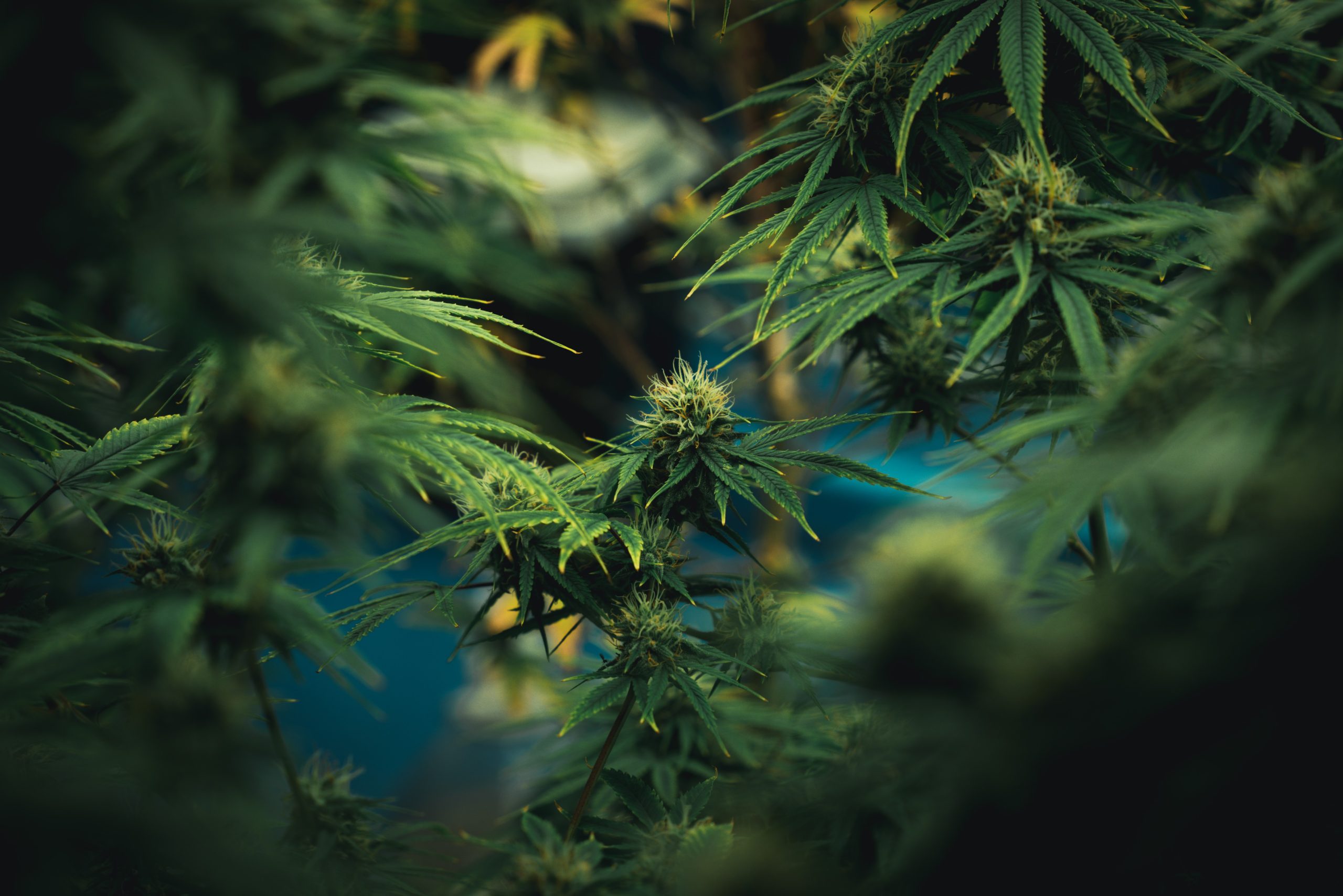
Look closely at cannabis flower under magnification and you’ll notice tiny, crystal-like structures covering the buds. These are called trichomes, and they’re responsible for producing and storing many of the cannabinoids and terpenes associated with cannabis.
However, not all trichomes look the same.
Some appear completely transparent, while others develop a cloudy, milky appearance. As cannabis matures, certain trichomes may also take on an amber color.
These cannabis trichome colors can provide clues about plant development, but they don’t tell the entire story about potency or quality.
Here’s what causes these changes and why growers pay attention to them.
What Are Cannabis Trichomes?
Trichomes are small structures that develop across the surfaces of cannabis plants.
Some types of trichomes produce and store resin containing cannabinoids, terpenes, and other specialized compounds.
The most recognizable are capitate-stalked glandular trichomes, which often resemble tiny mushrooms under magnification.
These structures consist of a stalk topped with a rounded glandular head.
As cannabis flowers develop, these resin glands undergo physical and chemical changes that can affect their appearance.
Why Do Cannabis Trichomes Change Color?
Trichome appearance changes as cannabis flowers mature and their resin develops.
During earlier stages, many glandular trichomes appear relatively clear.
As development continues, some become cloudy or opaque. Later, certain trichomes may develop yellowish or amber coloration.
These changes reflect a combination of maturation, resin composition, and chemical processes occurring within the glandular structures.
However, color development isn’t perfectly uniform.
Different trichomes on the same flower may appear at different stages simultaneously.
Clear Trichomes: Early Development
Clear trichomes are commonly associated with earlier stages of glandular development.
Under magnification, their heads appear transparent or glass-like.
During this period, the plant may still be developing and accumulating cannabinoids and other compounds.
However, growers shouldn’t assume that every clear trichome contains little THC.
Trichome appearance provides a visual clue, not a direct measurement of cannabinoid concentration.
Laboratory testing remains necessary to accurately determine potency.
Cloudy Trichomes: A Milky Appearance
Cloudy trichomes have a more opaque appearance than clear ones.
They may look white, milky, or frosted under magnification.
Cultivators often associate this stage with advanced flower maturity and substantial resin development.
Because of this, cloudy trichomes are frequently discussed when growers evaluate harvest timing.
Still, cloudy trichomes don’t automatically guarantee peak THC concentration.
Genetics, growing conditions, flower position, and cannabinoid development can all influence the relationship between trichome appearance and chemical composition.
Amber Trichomes: Later Maturation
Amber trichomes develop a yellow, golden, or brownish appearance.
This coloration is often associated with later stages of flower development and changes within the resin.
Some cannabis cultivation guides suggest that increasing amber coloration may coincide with changes in cannabinoid composition.
However, consumers should be cautious about treating amber trichomes as a precise indicator of THC degradation or specific effects.
The relationship between color and cannabinoid chemistry is more complicated than a simple visual rule.
Do Trichome Colors Determine Potency?
Not directly.
Although trichome development relates to cannabinoid production, color alone cannot establish the THC percentage of a cannabis product.
For example, two cultivars may have similar-looking trichomes while containing different cannabinoid concentrations.
Additionally, flower maturity can vary between different parts of the same plant.
Therefore, evaluating potency requires more than examining resin glands.
A product’s laboratory results provide more useful information about cannabinoid concentration.
Can Trichome Colors Predict Cannabis Effects?
Not reliably.
You may have encountered claims that cloudy trichomes produce one type of experience while amber trichomes produce another.
However, these descriptions oversimplify cannabis chemistry.
The effects of cannabis depend on numerous factors, including:
- Cannabinoid composition
- Dose
- Consumption method
- Individual sensitivity
- Other compounds present in the product
There isn’t enough reliable clinical evidence to conclude that trichome color alone predicts a specific experience.
For consumers, cannabinoid testing and product information are more useful than relying on visual appearance.
Why Growers Examine Trichomes
Cultivators frequently use magnification tools to examine trichomes during flowering.
These observations can help them evaluate plant development and changes in resin gland appearance.
However, growers also consider other characteristics when determining harvest readiness.
These include:
- Cultivar genetics
- Flower development
- Plant health
- Flowering duration
- Environmental conditions
- Cannabinoid testing, when available
Combining several observations provides a more complete picture than using trichome color alone.
What Does Scientific Research Say?
Researchers have examined how glandular trichomes develop and produce cannabinoids and terpenes.
A study published in The Plant Journal investigated different cannabis trichome types and found that their structure, development, and chemical characteristics vary.
The findings help explain why trichomes are important for understanding cannabis resin production.
Read the research on cannabis glandular trichomes
While trichome development is scientifically established, the common clear-cloudy-amber harvest chart should be understood as a practical cultivation guideline rather than an exact chemical measurement.
Does Trichome Appearance Change After Harvest?
Yes.
Cannabis continues undergoing chemical and physical changes after harvesting.
Drying, curing, oxidation, temperature, and storage conditions can influence the appearance and composition of resin over time.
Therefore, trichomes on packaged flower may not look exactly as they did when the plant was harvested.
This is another reason consumers shouldn’t attempt to determine potency from trichome color alone.
For more information about post-harvest processing, read our guide to cannabis curing and why it matters.
Why Trichome Color Is Only One Part of Flower Quality
Trichome appearance can provide interesting information about cannabis development, but it isn’t a complete quality indicator.
When evaluating flower, consider:
- Genetics
- Cannabinoid testing
- Terpene information
- Aroma
- Freshness
- Cultivation practices
- Drying and curing
- Storage conditions
Together, these factors provide a much more useful understanding of the finished product.
A flower covered in cloudy or amber trichomes isn’t automatically superior to another product.
Final Thoughts on Cannabis Trichome Colors
Cannabis trichome colors offer a fascinating look at how resin glands develop and change over time.
Clear trichomes commonly appear during earlier development, cloudy trichomes are associated with more mature resin glands, and amber coloration can develop during later stages.
However, these visual differences don’t provide an exact measurement of potency, quality, or effects.
Understanding trichome development helps explain why cannabis cultivation involves much more than simply growing large flowers.
At Orange County Cannabis Co., we believe learning about the science behind cannabis can help consumers appreciate the complexity of the plant and make more informed choices.