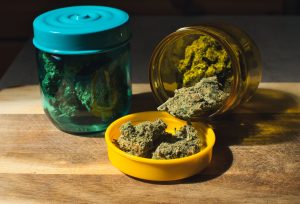
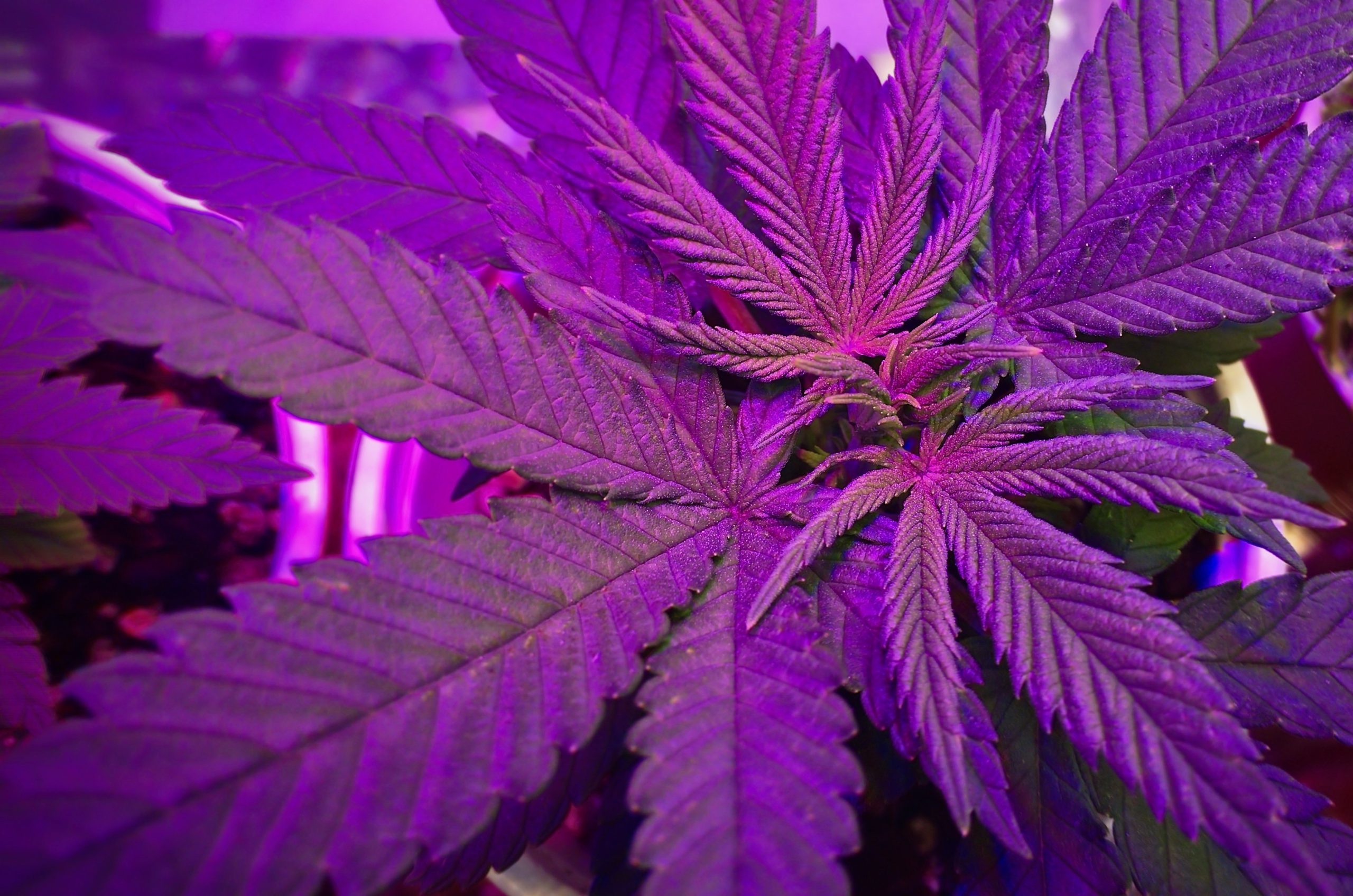
Cannabis flower can be surprisingly colorful. Some buds stay bright green, while others develop deep purple, reddish, blue, or nearly black tones. Add bright orange pistils and a layer of frosty trichomes, and two cultivars can look completely different sitting next to each other.
So, why is cannabis purple, and does that color actually tell you anything about quality?
The answer mostly comes down to genetics and natural plant pigments. Growing conditions can influence how strongly those colors appear, but purple flower doesn’t automatically mean stronger, better, or more potent cannabis.
Here’s what those colors can actually tell you.
What Makes Cannabis Purple?
One of the main reasons cannabis develops purple coloring involves plant pigments called anthocyanins.
Anthocyanins belong to a larger group of compounds called flavonoids. Plants throughout nature contain them, and they contribute to the red, purple, and blue colors found in foods such as blueberries, blackberries, grapes, and red cabbage.
Cannabis can produce these pigments too.
However, genetics play an important role. Some cultivars naturally have a greater ability to develop purple coloration than others.
As those plants mature, purple pigments may become visible across the leaves and flowers.
Why Is Most Cannabis Green?
Cannabis plants contain chlorophyll, the green pigment plants use during photosynthesis.
During much of the plant’s life, chlorophyll gives cannabis its familiar green appearance. However, as the plant matures, the balance of visible pigments can change.
In cultivars with the right genetics, anthocyanin coloration may become more noticeable later in the flowering cycle.
As a result, green may give way to shades of purple, red, or blue in certain areas of the plant.
Does Cold Weather Turn Cannabis Purple?
You’ve probably heard that cold temperatures make cannabis purple.
There’s some truth behind that idea, but it’s incomplete.
Cooler temperatures can sometimes encourage purple coloration in plants that already have the genetic ability to produce those pigments. However, temperature alone doesn’t magically turn every cannabis plant purple.
Genetics still provide the foundation.
Therefore, growers shouldn’t simply expose plants to extreme cold in an attempt to create colorful flower. Stressing a plant unnecessarily can create other cultivation problems.
What About Red, Blue, and Nearly Black Cannabis?
Anthocyanins aren’t limited to purple.
Depending on genetics, pigment concentration, and other plant factors, cannabis can display shades of:
- Purple
- Red
- Pink
- Blue
- Burgundy
- Nearly black
These colors can appear in leaves, flower tissue, or both.
Meanwhile, other parts of the flower contribute additional colors. Pistils—the hair-like structures visible across many buds—often transition from light colors to orange, amber, or brown as the flower develops.
Together, pigments, pistils, and trichomes create the wide range of appearances found across modern cannabis cultivars.
Is Purple Cannabis Stronger?
No. Purple cannabis isn’t automatically more potent than green cannabis.
Color and THC percentage measure completely different characteristics.
A deeply purple cultivar could contain high THC, moderate THC, or a more balanced cannabinoid profile. Likewise, an ordinary-looking green flower could test at a very high THC percentage.
If potency matters to you, look at the cannabinoid information for the actual product rather than using color as an indicator.
Appearance can tell you something about the plant’s genetics and development, but it can’t predict the entire experience.
Does Purple Cannabis Taste Different?
Not simply because it’s purple.
The flavor and aroma of cannabis depend heavily on compounds such as terpenes as well as genetics, cultivation, processing, and storage.
A purple cultivar might smell fruity, floral, earthy, gassy, or completely different depending on its chemical profile.
Therefore, don’t assume that all purple flower will taste like berries or grapes just because those foods contain similar pigments.
Color and flavor can both originate from plant chemistry, but one doesn’t automatically predict the other.
Does Color Tell You Anything About Quality?
Color can contribute to what the cannabis industry sometimes calls bag appeal—the immediate visual impression flower makes when you see it.
However, attractive color alone doesn’t guarantee quality.
When evaluating flower, consider several characteristics together:
- Freshness
- Aroma
- Trichome coverage
- Bud structure
- Cannabinoid information
- Terpene profile, when available
- Cultivation and post-harvest handling
Bright purple flower can look incredible, but appearance should be one part of the decision rather than the entire reason you choose a product.
What Does Research Say About Purple Plant Pigments?
Anthocyanins occur throughout the plant kingdom and produce many of the red, blue, and purple colors we see in fruits, vegetables, and flowers.
The National Center for Biotechnology Information provides an overview of anthocyanins and their role as naturally occurring plant pigments.
Learn more about anthocyanins through the National Library of Medicine.
Understanding these pigments helps explain why cannabis can express such dramatic differences in color even though the plants belong to the same species.
Genetics Matter More Than Appearance
The huge visual differences between cannabis cultivars are another reminder of how much genetics matter.
Color, bud structure, aroma, trichome development, and other characteristics can vary substantially between cultivars and even between different growers.
That’s also why two products carrying familiar strain names don’t necessarily look identical.
For more cannabis education, explore the Orange County Cannabis Co. blog for guides covering cultivation, cannabinoids, concentrates, consumption methods, and more.
Final Thoughts on Purple Cannabis
Purple cannabis gets attention because it looks distinctive, but the science behind that color is more interesting than the appearance alone.
Genetics determine whether a cannabis plant has the potential to express strong purple pigmentation, while growing conditions and plant development can influence how visible those colors become.
Most importantly, purple doesn’t automatically mean potent or premium.
The next time colorful flower catches your eye, appreciate the appearance—but look at the rest of the product too. Cannabinoids, aroma, freshness, genetics, cultivation, and personal preference provide much more useful information than color alone.
At Orange County Cannabis Co., we believe understanding what’s behind the flower makes exploring cannabis a lot more interesting.