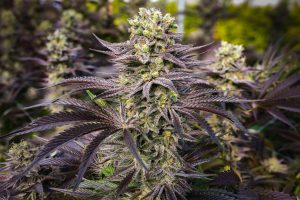
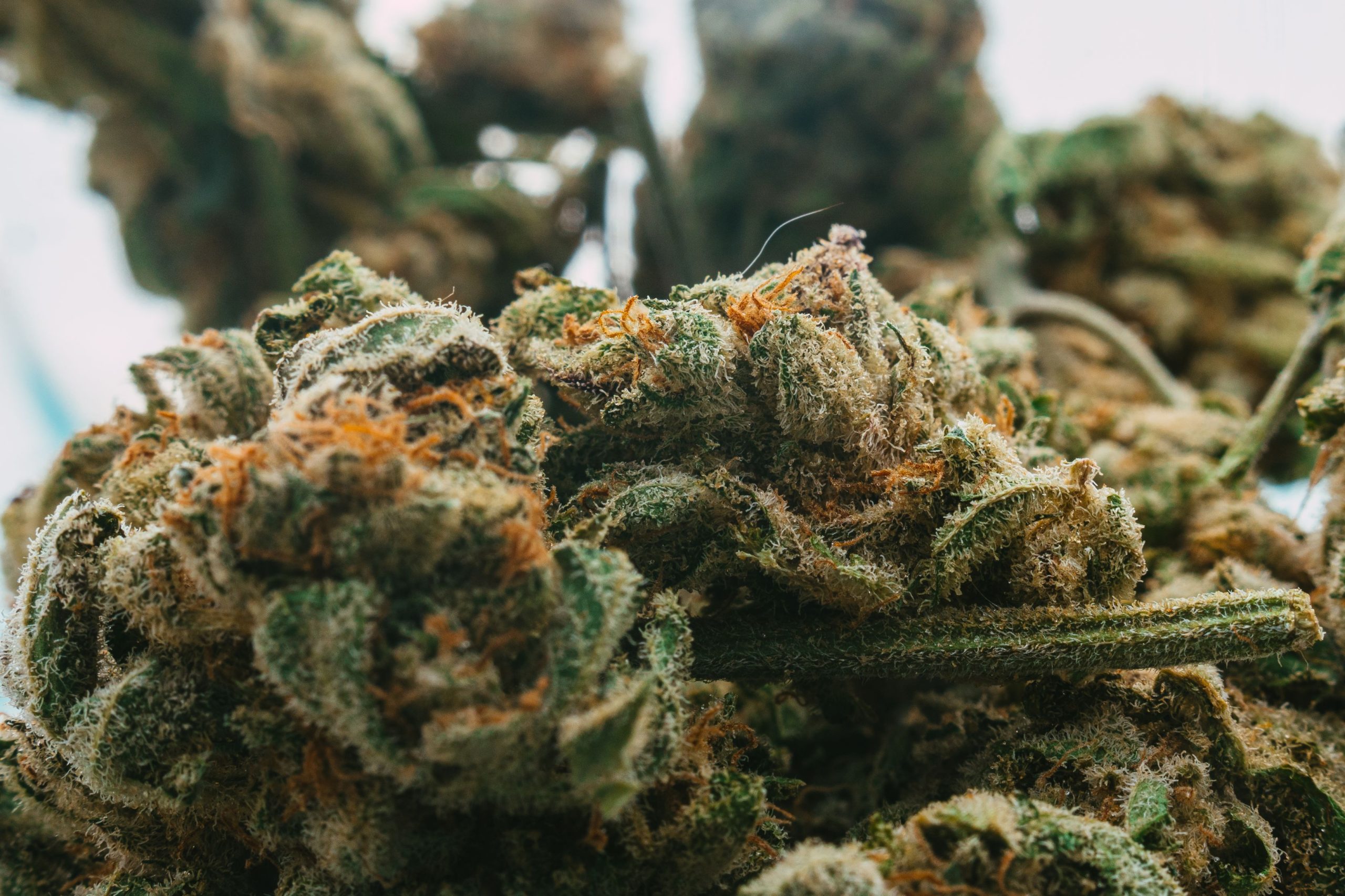
Open two jars of cannabis flower and you might encounter completely different aromas. One cultivar may smell like citrus or berries, while another gives off notes of pine, fuel, earth, or the unmistakable “skunky” scent associated with cannabis.
So, what actually creates the cannabis smell?
Terpenes play an important role, but they’re not the entire explanation. Researchers have also identified other aromatic chemicals, including volatile sulfur compounds, that may contribute to some of cannabis’s most recognizable scents.
Genetics, cultivation, harvest timing, curing, and storage can also influence what you smell when you open the package.
Why Does Cannabis Have Such a Strong Smell?
Cannabis produces numerous volatile aromatic compounds. “Volatile” simply means these compounds can evaporate into the air, allowing them to reach the receptors in your nose.
The combination and concentration of these compounds help create each cultivar’s aromatic profile.
That’s why cannabis can produce descriptions such as:
- Citrus
- Tropical fruit
- Berry
- Pine
- Floral
- Earth
- Pepper
- Fuel
- Cheese
- Skunk
However, these aren’t necessarily added flavors or fragrances. Many of these aromas originate naturally from compounds produced by the cannabis plant.
Terpenes Play a Major Role
Terpenes are among the best-known aromatic compounds in cannabis.
Importantly, cannabis isn’t the only plant that produces them. Terpenes occur throughout nature and help create familiar aromas in fruits, herbs, flowers, and trees.
Common cannabis terpenes include:
Limonene — commonly associated with citrus aromas.
Pinene — contributes pine-like characteristics.
Linalool — often described as floral or lavender-like.
Myrcene — may contribute earthy, herbal, or musky notes.
Caryophyllene — commonly associated with peppery or spicy aromas.
Different cultivars contain different combinations and concentrations of these compounds. Therefore, two jars of flower can smell dramatically different even though they’re both cannabis.
Terpenes Aren’t the Whole Story
For years, cannabis aroma discussions focused heavily on terpenes. However, research suggests that some distinctive aromas may come from compounds present at much lower concentrations.
One particularly interesting category is volatile sulfur compounds, or VSCs.
Researchers investigating the characteristic skunky aroma of cannabis identified a family of prenylated volatile sulfur compounds that contribute to this distinctive scent.
In other words, some of the strongest smells in cannabis don’t necessarily come from the compounds present in the largest quantities.
That helps explain why simply looking at the dominant terpene on a label may not perfectly predict what your nose detects.
Where Does the “Skunky” Cannabis Smell Come From?
The classic skunk aroma is especially interesting.
A study published in ACS Omega identified previously unreported volatile sulfur compounds in cannabis and linked them to its characteristic skunk-like aroma.
The researchers noted structural similarities between some of these compounds and odor molecules found in skunk spray.
Read the research on volatile sulfur compounds and cannabis aroma.
This research gives us a more complete picture of cannabis aroma. Terpenes remain important, but trace compounds can have an outsized influence on what we actually smell.
Why Does Some Cannabis Smell Like Fruit?
Cannabis can also produce surprisingly fruit-forward aromas.
Depending on the cultivar, consumers may describe notes resembling:
- Lemon
- Orange
- Peach
- Grape
- Strawberry
- Mango
- Pineapple
Again, the explanation isn’t necessarily one single terpene.
The overall aroma comes from a complex mixture of volatile compounds interacting at different concentrations.
That’s why describing cannabis solely as “limonene = lemon” or “myrcene = earthy” oversimplifies what’s happening inside the flower.
Why Does Grinding Cannabis Make It Smell Stronger?
You may notice that flower becomes much more aromatic after you break it apart or grind it.
Cannabis flower contains resin-rich trichomes where many aromatic compounds occur. Breaking apart the flower increases the surface area exposed to air and can release more volatile compounds at once.
As a result, aromas that seemed subtle in an intact bud may become much more noticeable after grinding.
This is one reason aroma can change between smelling a closed package, opening it, and preparing the flower for consumption.
Genetics Influence Cannabis Aroma
Genetics establish much of the plant’s potential chemical profile.
However, genetics aren’t the only factor.
Cultivation conditions can influence how a plant develops, while harvest timing and post-harvest processing can affect the compounds that remain in the finished flower.
That’s also why two brands growing cannabis under the same familiar strain name may produce noticeably different aromas.
For more on that topic, read Orange County Cannabis Co.’s guide to cannabis strain differences between brands.
Drying and Curing Matter Too
Cannabis continues changing after harvest.
Growers dry flower to reduce moisture and then may cure it under controlled conditions. During this process, the aromatic profile can evolve.
Poor post-harvest handling may also result in the loss of desirable volatile compounds.
Therefore, the aroma you encounter in a finished package reflects more than genetics. Cultivation, harvest, drying, curing, packaging, and storage all contribute to what eventually reaches your nose.
Does Stronger-Smelling Cannabis Mean It’s Better?
Not necessarily.
A powerful aroma can indicate that the flower contains noticeable concentrations of volatile compounds, but smell alone doesn’t determine overall quality.
Likewise, a strong smell doesn’t automatically mean the flower has more THC.
When evaluating cannabis, consider aroma alongside:
- Freshness
- Cannabinoid profile
- Terpene information
- Cultivation
- Trichome coverage
- Flower structure
- Your personal preferences
Aroma is valuable information, but it shouldn’t be treated as a potency test.
Why Cannabis Smell Is More Complicated Than It Seems
Cannabis aroma provides a great example of why this plant can’t always be reduced to one number or one compound.
THC doesn’t explain aroma. A single dominant terpene doesn’t explain every scent. Even two flowers with similar terpene test results may contain other volatile compounds that influence what you perceive.
Instead, cannabis aroma comes from a chemical mixture shaped by genetics and everything that happens to the plant before it reaches the shelf.
Final Thoughts on Cannabis Smell
The distinctive cannabis smell comes from much more than one ingredient.
Terpenes contribute many recognizable citrus, floral, earthy, spicy, and pine-like characteristics. Meanwhile, research shows that volatile sulfur compounds can contribute significantly to the famous skunky aroma associated with certain cannabis cultivars.
Genetics establish the foundation, while cultivation and post-harvest handling can further influence the finished product.
So, the next time you open a jar and immediately notice fruit, fuel, pine, or skunk, remember: your nose is detecting a complex chemical fingerprint that’s unique to that flower.
At Orange County Cannabis Co., we believe understanding those details makes exploring cannabis more interesting—and helps consumers look beyond THC percentage alone.