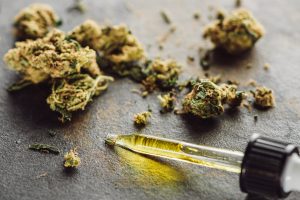
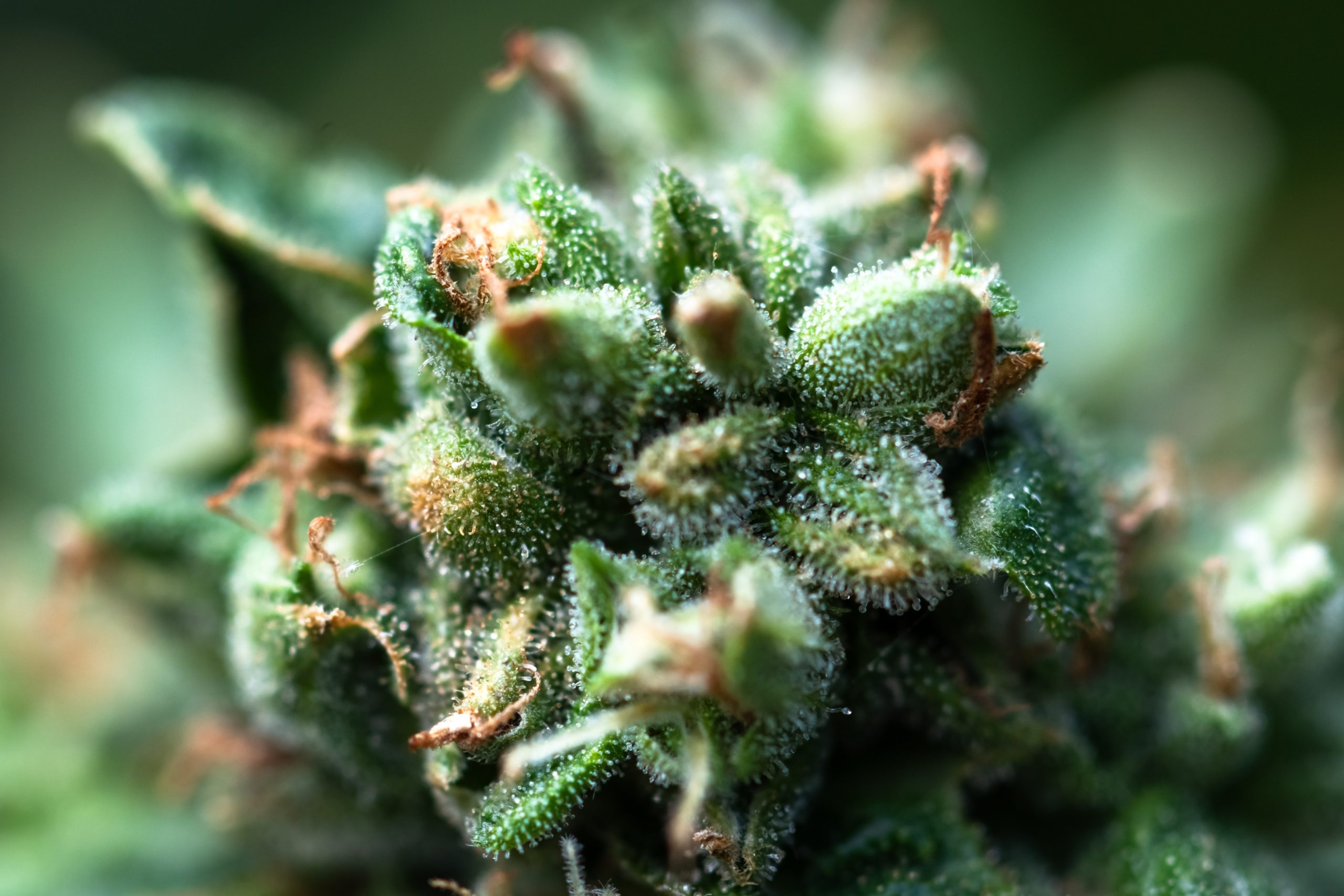
You open a fresh jar of flower and immediately notice a layer of tiny, sparkling crystals covering the buds. That frosty appearance is often one of the first things shoppers associate with premium cannabis. But what are those crystals actually telling you?
Those structures are cannabis trichomes, tiny glands found on the surface of the plant. They play an important role in producing and storing many of the compounds consumers associate with cannabis, including cannabinoids and terpenes.
However, seeing extremely frosty flower doesn’t automatically mean you’ve found the “best” or strongest cannabis on the shelf. Understanding what trichomes actually do can help you evaluate flower with a little more context.
What Are Cannabis Trichomes?
Trichomes are small structures that develop across cannabis flowers and other parts of the plant. Under magnification, many look like tiny stalks with rounded heads.
Those resinous heads are especially important because they contain many of the plant’s cannabinoids and aromatic compounds.
Trichomes also serve the cannabis plant itself. Their bitter compounds and strong aromas may help protect the plant against environmental threats and some predators.
For consumers, however, they’re most noticeable as the sticky, crystal-like coating found on well-developed cannabis flower.
Why Does Some Cannabis Look So Frosty?
Genetics play a major role in trichome production. Some cultivars naturally produce heavier coatings of resin than others.
Cultivation conditions matter too. Growers carefully manage factors such as light, temperature, humidity, nutrients, and harvest timing throughout the flowering stage.
As the flowers mature, trichomes develop alongside them. As a result, a well-grown cultivar with naturally heavy resin production may develop the dramatic “frosted” appearance that catches your eye in a jar.
Still, appearance is only one part of the story.
What Is Inside a Trichome?
Trichomes contain resin rich in compounds such as:
- THC and other cannabinoids
- Terpenes
- Flavonoids
- Other naturally occurring plant compounds
Terpenes contribute to the aroma and flavor differences between cultivars, while cannabinoids contribute to the product’s overall chemical profile.
This helps explain why protecting trichomes during cultivation, harvesting, trimming, packaging, and storage matters.
If those delicate structures experience excessive heat, light, friction, or poor handling, the flower may lose some of the characteristics that made it appealing in the first place.
Do More Trichomes Mean Stronger Cannabis?
Not necessarily.
This is where visual shopping can become misleading.
A heavily frosted bud may look impressive, but trichome coverage alone doesn’t tell you the product’s THC percentage or predict exactly how it will feel. Genetics, cannabinoid content, terpene composition, cultivation, curing, freshness, and individual response all contribute to the experience.
In other words, don’t treat frostiness as a substitute for the product label or laboratory results.
Instead, think of visible trichomes as one characteristic worth considering alongside aroma, freshness, cannabinoid information, and terpene profile.
Why Trichomes Matter for Concentrates
Trichomes aren’t only important for flower. They’re also central to concentrate production.
Hash makers and extractors are often interested in separating or collecting the resin-rich portions of cannabis. Depending on the production method, processors can turn that material into products such as hash, rosin, resin, badder, and other concentrates.
This is also why you’ve probably encountered terms like “resin glands” when learning about concentrates.
If you’re curious about how freshly harvested cannabis can preserve these compounds for extraction, read our OCC guide to fresh frozen cannabis and concentrate production on the Orange County Cannabis Co. website.
What Trichome Color Can Tell Growers
Trichomes also help cultivators evaluate plant maturity.
As cannabis develops, trichome heads can change in appearance. Growers may use magnification to observe these changes as one of several indicators when deciding when to harvest.
This doesn’t mean consumers should judge packaged flower solely by trichome color. By the time cannabis reaches a dispensary shelf, it has already gone through harvesting, drying, curing, testing, packaging, and other steps.
Still, understanding this process gives you a better idea of why trichomes matter long before a jar reaches your hands.
What Does Science Say About Cannabis Trichomes?
Researchers have examined cannabis glandular trichomes because they’re major sites for cannabinoid and terpene production.
A scientific review published through the National Library of Medicine describes glandular trichomes as specialized structures involved in producing and storing cannabis secondary metabolites, including cannabinoids and terpenes.
Read the research on cannabis glandular trichomes
That biology helps explain why cultivators and concentrate producers pay so much attention to these tiny structures.
How to Shop Beyond the Frost
Frosty flower can certainly be appealing, but don’t let appearance make the entire decision for you.
When comparing flower, consider:
- Cannabinoid profile
- Terpene information
- Aroma
- Freshness
- Cultivar genetics
- Cultivation and processing methods
- Your own preferences and tolerance
The most visually impressive flower isn’t automatically the product you’ll enjoy most.
Final Thoughts
Cannabis trichomes may be tiny, but they’re an important part of what makes the plant so complex. They produce and store many of the cannabinoids and terpenes associated with cannabis, while also creating the frosty appearance consumers often notice on premium flower.
However, more visible trichomes don’t automatically equal higher potency or a better experience.
The next time you’re comparing flower, take a closer look at those crystals—but also look beyond them. Understanding genetics, cannabinoids, terpenes, freshness, and cultivation gives you a much fuller picture of what’s actually inside the jar.
At Orange County Cannabis Co., we’re here to help make those details easier to understand so you can shop with more confidence.