
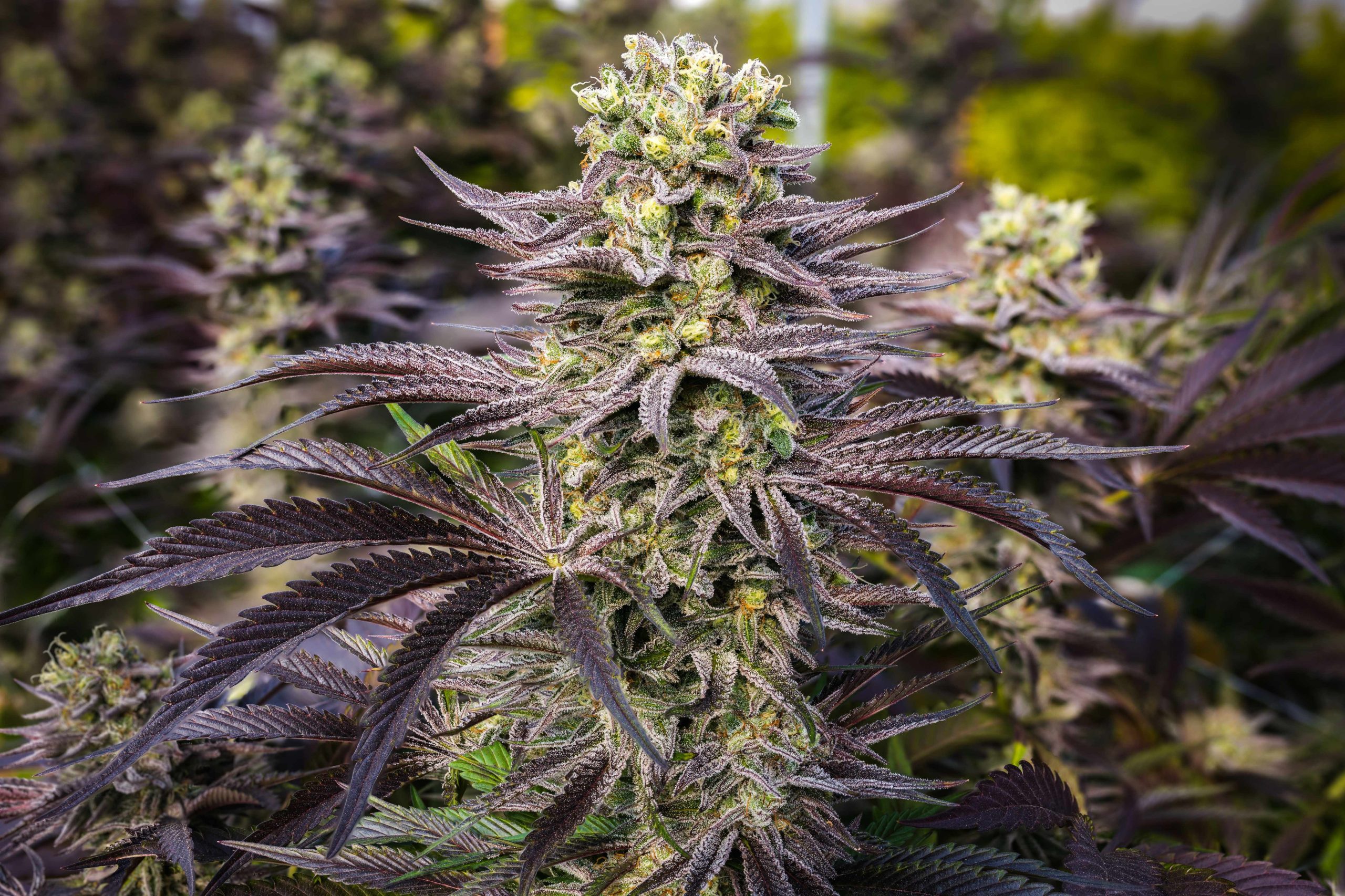
You spot a familiar strain on a dispensary menu, but this time it’s from a different brand. The name is the same, so you might expect the flower to look, smell, and feel exactly like the version you’ve purchased before. However, that’s not always the case.
Cannabis strain differences can exist even when two products share the same strain name. Genetics matter, but cultivation methods, growing environments, harvest timing, curing, and chemical composition can all influence the finished flower.
In other words, a strain name can be useful information—but it doesn’t tell the entire story.
Why Strain Names Don’t Guarantee Identical Cannabis
Cannabis doesn’t have a universal naming system that guarantees every product sold under a particular strain name has identical genetics or chemistry.
Researchers have found measurable variation among commercial cannabis products carrying the same strain names. A large PLOS ONE study analyzed cannabinoid and terpene data from nearly 90,000 commercial samples across six U.S. states. Researchers found that some strain names showed greater chemical consistency than others, but overall, strain names didn’t perfectly correspond to one specific chemical profile.
Read the PLOS ONE study on commercial cannabis diversity
So, while names like Blue Dream, Sour Diesel, or Gelato can provide context, consumers shouldn’t assume every producer’s version will be identical.
Genetics Are Only the Starting Point
Genetics establish the foundation of a cannabis plant. Still, growers influence how those genetics express themselves.
Even plants with closely related genetics can develop differently depending on their environment and cultivation methods.
For example, growers make decisions about:
- Lighting
- Temperature
- Humidity
- Nutrients
- Irrigation
- Airflow
- Harvest timing
Each factor can influence plant development.
Therefore, buying the same named strain from two different cultivators can sometimes produce noticeably different flower.
Indoor Growing Can Change the Equation
The cultivation environment is another major factor.
Indoor growers can carefully control lighting, temperature, humidity, airflow, and other environmental conditions. Outdoor growers, meanwhile, work more directly with sunlight, weather, and seasonal changes.
Neither approach automatically produces “better” cannabis. Instead, each cultivation method creates a different growing environment.
If you’d like to understand this part of the process in more detail, read OCC’s guide to Indoor Cannabis: What Makes It Different?
Terpene Profiles Can Vary
Terpenes contribute to the aroma and flavor of cannabis.
For example, cannabis may contain compounds such as:
- Limonene
- Myrcene
- Caryophyllene
- Pinene
- Linalool
- Terpinolene
The PLOS ONE research found substantial phytochemical diversity among commercial cannabis and identified distinct terpene-based chemical groups. Importantly, common commercial labels didn’t always align neatly with that underlying chemistry.
Therefore, two products carrying the same strain name can have differences in their measured terpene profiles.
That can help explain why one brand’s version may smell especially citrusy while another version of the same named strain seems earthier, sweeter, or more herbal.
THC Percentage Can Differ Too
The same strain name doesn’t guarantee the same THC percentage.
Growing conditions, plant phenotype, harvest timing, testing, and other factors can contribute to differences between batches.
For consumers, this is another reason to avoid treating the strain name as the product’s complete identity.
Instead, consider the actual information available for the specific product you’re purchasing.
Drying and Curing Matter
The plant’s journey doesn’t end at harvest.
Growers still need to dry and cure flower before it reaches the shelf. How they handle those stages can influence moisture, aroma, texture, and overall freshness.
One producer may use a different drying environment or curing schedule than another. Additionally, trimming, packaging, and storage can affect the finished product.
As a result, two cultivators can begin with similar genetics yet deliver flower that looks or smells noticeably different by the time it reaches a dispensary.
Even Batches From the Same Brand Can Vary
Cannabis is an agricultural product.
That means some variation can occur from harvest to harvest, even when the same producer grows the same cultivar.
A new batch may test differently or develop a slightly different aromatic profile. Good cultivation practices can improve consistency, but consumers shouldn’t expect cannabis to behave exactly like a factory-produced product with an identical formula every time.
This natural variation is part of what makes cannabis such a complex plant.
How Should You Compare Cannabis Between Brands?
Instead of shopping by strain name alone, look at several pieces of information together.
Consider:
- Cultivator or brand
- Cannabinoid profile
- Terpene information, when available
- Cultivation method
- Freshness
- Aroma
- Product format
- Your previous experience with that producer
Over time, you may discover that you prefer certain cultivators because of how they grow, cure, or select particular genetics.
That can sometimes be more useful than chasing a familiar strain name across multiple brands.
Final Thoughts on Cannabis Strain Differences
Cannabis strain differences are a reminder that a name on the package is only one part of the product.
Genetics provide the starting point. However, cultivation environment, plant expression, terpene composition, harvest timing, drying, curing, and storage all help shape what ultimately reaches the dispensary shelf.
So, if you try the same named strain from two brands and notice a difference, you aren’t necessarily imagining it. Commercial cannabis products sharing a name can show real chemical variation.
At Orange County Cannabis Co., we encourage customers to look beyond a single label. Learning about the grower, cannabinoid profile, terpenes, and cultivation process can give you a more complete picture of what’s actually inside the package.