Growing healthy cannabis is only part of producing quality flower. What happens after harvest can be just as important.
Once cultivators cut down a cannabis plant, they still need to manage moisture before the flower is ready for packaging. Drying removes much of that initial moisture, while cannabis curing follows as a separate post-harvest stage.
During curing, producers hold dried flower under controlled conditions so moisture can redistribute throughout the buds. The process can influence aroma, texture, storage stability, and the overall character of the finished flower.
So, when you open a jar of flower that smells fresh, feels properly hydrated, and hasn’t become brittle, careful post-harvest handling may be part of the reason.
What Is Cannabis Curing?
Cannabis curing takes place after the initial drying process.
Cultivators first dry harvested flower to reduce its high moisture content. Afterward, they place the dried flower in controlled storage conditions for a period of time.
Leafly describes curing as a process used after drying to help preserve cannabinoids, terpenes, flavors, and aromas. Their guide notes that flower is commonly kept in airtight containers while cultivators carefully monitor conditions.
You can read more in Leafly’s guide to drying and curing cannabis.
Drying vs. Curing Cannabis
Although people sometimes use the terms interchangeably, drying and curing aren’t the same thing.
Drying primarily removes moisture from freshly harvested cannabis.
Curing comes afterward and allows the remaining moisture within the flower to redistribute under controlled conditions.
That distinction matters. Freshly harvested cannabis contains substantial moisture, so producers need to reduce it to improve stability and control microbial risks. Research into post-harvest cannabis processing identifies drying and curing as distinct steps that can affect finished product quality.
Think of drying as preparing flower for stability and curing as refining the flower after that initial dry.
Why Moisture Matters
Moisture is one of the biggest considerations during cannabis curing.
Flower that retains too much moisture can create conditions favorable to microbial growth. On the other hand, overly dry flower can become brittle and lose some of the qualities consumers associate with freshness.
During curing, moisture from inside the bud gradually moves toward the exterior and reaches a more balanced state.
Recent research on post-harvest hemp found that curing can change flower moisture levels, reinforcing the importance of controlled conditions during this stage.
How Curing Can Affect Aroma and Flavor
Terpenes give cannabis many of its recognizable aromas, from citrus and fruit to pine, earth, spice, and fuel.
However, terpenes can be sensitive to environmental conditions. Excessive heat and poor storage can contribute to their loss.
A slower, carefully managed post-harvest process aims to preserve more of those aromatic compounds. That’s one reason properly processed flower may smell noticeably different from cannabis that was dried too aggressively or stored poorly.
Curing doesn’t magically create a great terpene profile—the plant’s genetics and cultivation already play major roles. Instead, good curing helps producers protect the qualities the plant developed before harvest.
Does Longer Curing Always Mean Better Flower?
No.
More time doesn’t automatically equal higher quality.
Curing conditions matter alongside duration. Temperature, humidity, airflow during the earlier drying stage, starting material, and storage conditions can all influence the result.
In fact, scientific research on cannabis curing is still developing. A 2025 study examining different drying and curing methods found measurable changes during post-harvest processing while also noting that more research is needed to understand how curing influences properties such as terpene profiles.
So, a label like “long-cured” shouldn’t automatically be interpreted as proof that one product is better than another.
How Curing Fits Into Flower Quality
When evaluating cannabis flower, curing is only one piece of a much larger picture.
Quality can also depend on:
- Genetics
- Cultivation environment
- Harvest timing
- Trichome development
- Drying conditions
- Trimming and handling
- Packaging
- Storage
A carefully cultivated plant can lose quality through poor post-harvest handling. Likewise, curing can’t completely correct problems that occurred during cultivation.
That’s why it’s useful to look beyond THC percentage when comparing flower.
If you’re interested in another part of the production process, explore more cannabis education from Orange County Cannabis Co. to learn how cultivation, extraction, cannabinoids, and product formats can influence what eventually reaches the dispensary shelf.
What Should Consumers Look For?
You don’t need to be a cultivator to notice characteristics associated with properly handled flower.
When opening a package, consider the complete product rather than a single metric. Look at its aroma, texture, appearance, freshness, cannabinoid information, and terpene profile when available.
Flower shouldn’t necessarily crumble into dust when touched, nor should it feel excessively damp.
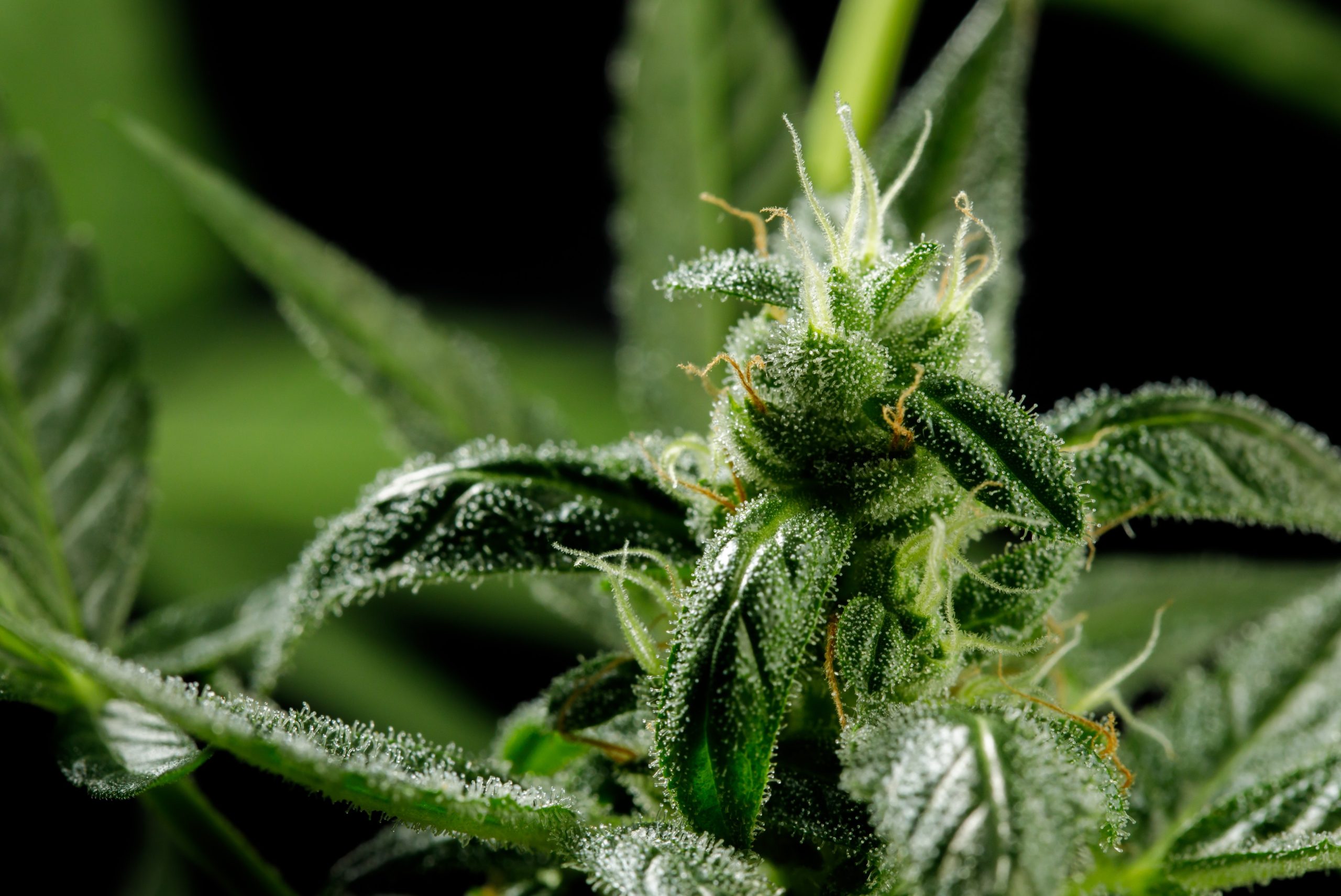
Most importantly, don’t assume that the highest THC percentage or frostiest appearance automatically represents the highest-quality option. Cultivation and post-harvest practices help tell the rest of the story.
Final Thoughts on Cannabis Curing
Cannabis curing is one of the less visible steps between cultivation and the dispensary shelf, but it can play an important role in finished flower quality.
After drying removes much of the plant’s initial moisture, curing gives producers another opportunity to manage moisture and protect desirable characteristics under controlled conditions.
For consumers, understanding curing provides another way to look beyond potency when shopping for flower. Genetics, cultivation, harvest timing, drying, curing, and storage all contribute to the final product.
At Orange County Cannabis Co., we believe understanding those details makes it easier to appreciate what goes into quality cannabis—and to shop with more confidence.