
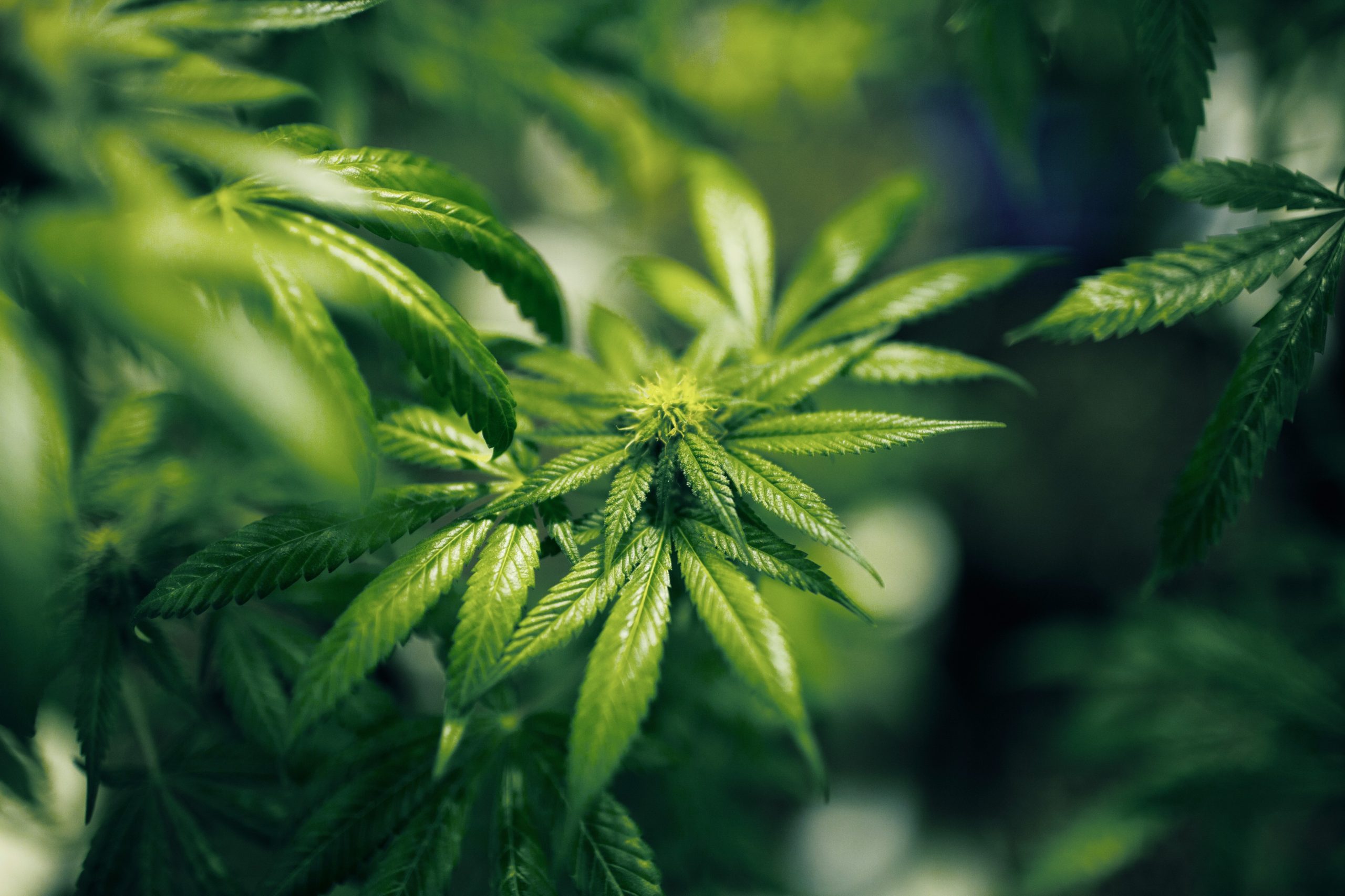
If you’ve ever seen photographs of cannabis plants approaching harvest, you may have noticed that their leaves don’t always stay green. Some turn bright yellow, while others develop red, orange, or purple shades.
This change is sometimes called the late-flower fade, and one biological process involved is cannabis senescence.
Senescence is a natural stage of plant aging. As certain leaves approach the end of their functional life, the plant begins changing how it uses and distributes nutrients, pigments, and other resources.
However, colorful leaves don’t always mean a plant is simply aging. Genetics, environmental conditions, and nutrient deficiencies can create similar appearances.
Understanding these differences helps explain why cannabis plants can look dramatically different near harvest.
What Is Cannabis Senescence?
Senescence describes a regulated biological process associated with plant aging and the eventual decline of certain tissues.
In leaves, this process often involves the breakdown of chlorophyll, changes in photosynthesis, and the redistribution of nutrients.
Chlorophyll is the pigment responsible for the familiar green appearance of most healthy cannabis leaves.
As chlorophyll breaks down, other pigments may become more visible.
Consequently, aging leaves can shift from green toward yellow or other colors.
Senescence is not unique to cannabis. Similar processes occur in many plants, including trees that change color during autumn.
Why Do Cannabis Leaves Turn Yellow?
Yellowing can occur when chlorophyll levels decline.
During leaf senescence, plants break down chlorophyll and recycle certain nutrients from aging tissues.
As the green pigment disappears, yellow pigments called carotenoids may become more noticeable.
However, yellow cannabis leaves aren’t always a sign of natural aging.
Other possible causes include:
- Nutrient deficiencies
- Root problems
- Water stress
- Disease
- Environmental stress
- Normal leaf aging
Therefore, growers evaluate the entire plant rather than assuming every yellow leaf indicates that harvest is approaching.
Why Do Some Leaves Turn Purple or Red?
Purple and red coloration often involves pigments called anthocyanins.
These compounds occur naturally in many plants and can contribute to red, purple, and blue coloration.
Cannabis genetics influence the plant’s ability to produce and accumulate these pigments.
Environmental conditions can also affect how strongly the colors appear.
For example, some cultivars develop noticeable purple foliage during late flowering, while others remain mostly green.
However, purple leaves don’t automatically mean the plant is more potent or higher quality.
If you’re curious about cannabis pigmentation, read our guide to why cannabis turns purple.
Is the Late-Flower Fade Always Normal?
Not necessarily.
A gradual change in older leaves near the end of a plant’s life cycle can reflect natural aging.
However, sudden or widespread discoloration can also indicate a cultivation problem.
For example, nutrient imbalances and environmental stress may cause symptoms that resemble senescence.
The timing, pattern, and severity of discoloration matter.
A grower might consider whether the change begins in older leaves, whether new growth remains healthy, and whether the plant shows other signs of stress.
In other words, color alone doesn’t establish the cause.
Does Senescence Affect Cannabis Flower?
Leaf senescence is part of broader plant development, but its relationship with flower quality is complicated.
During flowering, cannabis plants continue allocating resources toward reproductive structures.
Meanwhile, aging leaves may become less photosynthetically active as their chlorophyll breaks down.
However, consumers shouldn’t assume that more colorful foliage automatically produces better flower.
Cannabinoid and terpene profiles depend on genetics, cultivation conditions, harvest timing, and post-harvest processing.
Leaf color is not a reliable substitute for laboratory testing.
Can Growers Control Senescence?
Cultivators can influence growing conditions, but senescence is also a natural biological process.
Factors such as nutrition, light, temperature, irrigation, and plant health may affect how and when leaves begin aging.
However, intentionally stressing a plant simply to create dramatic leaf colors doesn’t guarantee improved quality.
Healthy plant development and consistent cultivation practices remain more useful goals than achieving a particular appearance.
What Does Science Say About Leaf Senescence?
Plant scientists have extensively studied leaf senescence because it involves important changes in chlorophyll, nutrient recycling, and gene regulation.
A scientific review available through the National Library of Medicine explains how leaf senescence is a highly regulated developmental process rather than simply uncontrolled tissue deterioration.
Explore peer-reviewed research on leaf senescence.
Although much of this research involves plants other than cannabis, the underlying biological principles help explain why leaves change as they age.
Why Leaf Color Isn’t a Quality Score
Colorful cannabis plants can certainly be visually impressive.
However, appearance alone doesn’t tell you everything about the final product.
When evaluating cannabis flower, consider:
- Genetics
- Cannabinoid content
- Terpene profile
- Cultivation conditions
- Harvest timing
- Drying and curing
- Freshness
- Laboratory testing
A plant with bright purple leaves isn’t automatically more potent than one with green foliage.
Likewise, a plant showing natural late-stage yellowing isn’t necessarily unhealthy.
Final Thoughts on Cannabis Senescence
Cannabis senescence helps explain why leaves can change color as plants approach the end of their growth cycle.
As chlorophyll breaks down, yellow pigments may become more visible. Meanwhile, genetics and environmental conditions can influence the appearance of red and purple pigments.
However, not every color change results from natural aging.
Understanding senescence helps distinguish normal plant development from possible environmental or nutritional problems.
At Orange County Cannabis Co., we believe learning about cannabis cultivation makes it easier to appreciate everything that happens before flower reaches the dispensary shelf.