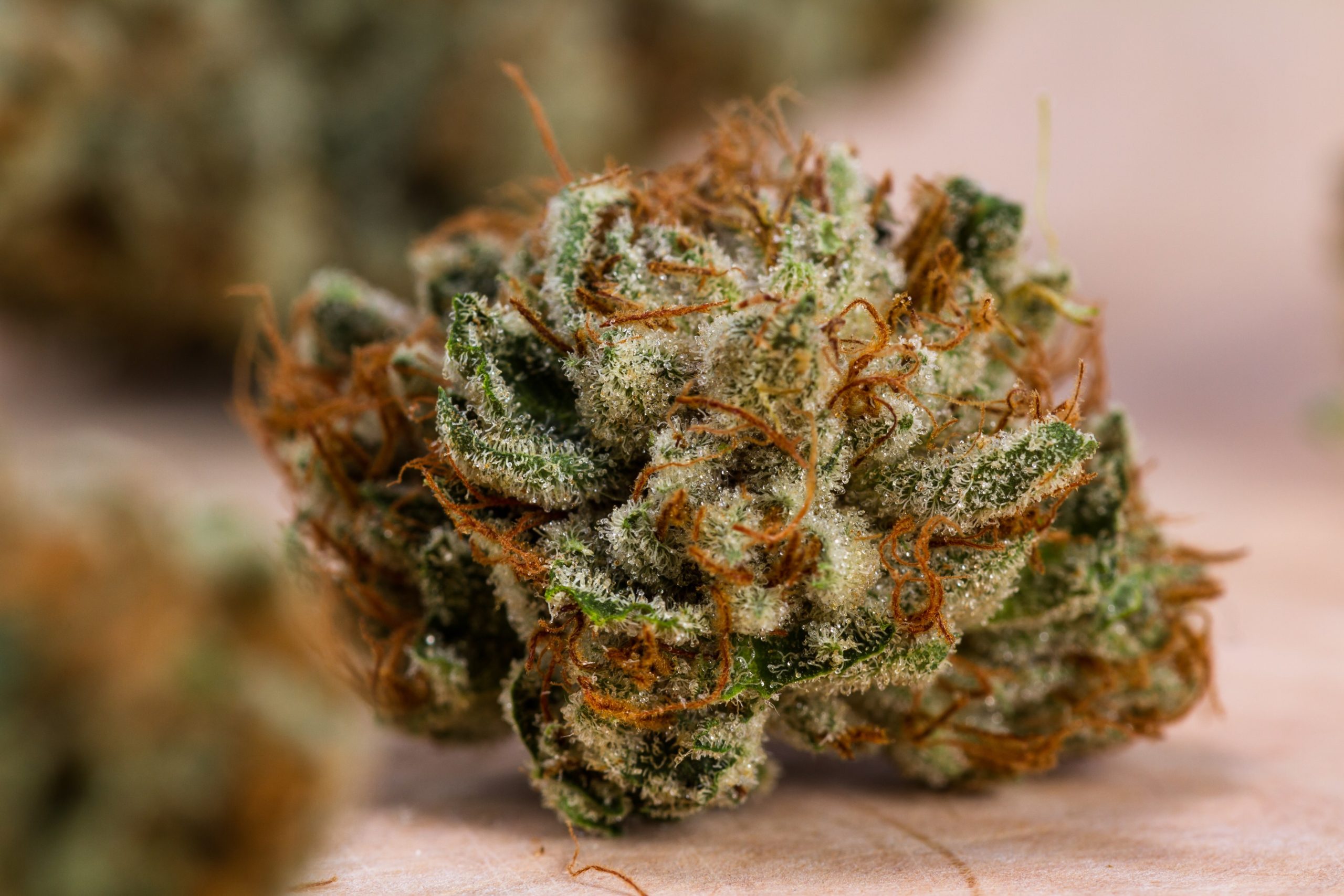
When people talk about cannabis freshness, they often focus on how flower feels. Is it sticky? Is it dry? Does it crumble easily? While those characteristics can tell you something about a product, they don’t explain everything happening inside the flower.
One important measurement that consumers rarely hear about is cannabis water activity.
Water activity helps describe how available moisture is within a product. Unlike total moisture content, which measures how much water a product contains, water activity provides information about the availability of that water for physical, chemical, and microbial processes.
For cannabis cultivators and processors, understanding this distinction can help support proper drying, curing, packaging, and storage.
What Is Cannabis Water Activity?
Water activity, commonly written as aw, measures the availability of water within a material.
Scientists express it on a scale from 0 to 1.
A value closer to 1 indicates that water is more available, while a lower value indicates less available water.
This measurement differs from simply weighing how much moisture exists inside a cannabis flower.
Two samples can contain similar amounts of water while having different water activity values because of how that water interacts with the material.
Water Activity vs. Moisture Content
Although these terms sound similar, they describe different properties.
Moisture content measures the total amount of water in a product, generally expressed as a percentage.
Water activity measures how available that water is.
Here’s an example.
Imagine two cannabis samples containing similar overall moisture percentages. One sample may hold water differently within its plant material than the other.
As a result, the two samples may have different water activity readings.
This distinction matters because microorganisms respond to available water rather than simply the total amount of moisture present.
Why Water Activity Matters for Cannabis Flower
After harvest, cannabis flower contains substantial moisture.
Cultivators must carefully dry the flower before packaging it. However, drying isn’t simply about removing as much water as possible.
Excessive moisture can create unfavorable storage conditions, while excessive drying can affect texture and other product characteristics.
Water activity provides an additional measurement that can help producers evaluate whether flower has reached an appropriate condition for further processing and storage.
It’s one part of managing product consistency.
Can Water Activity Affect Microbial Growth?
Yes.
Many microorganisms require available water to grow.
As water activity decreases, conditions generally become less favorable for microbial growth. However, different microorganisms have different minimum water activity requirements.
This is why food scientists and other product-safety specialists use water activity measurements to understand product stability.
The same principle is relevant to cannabis.
Importantly, a low water activity reading doesn’t prove that a cannabis product is free of microorganisms or contamination. Proper testing, handling, and regulatory compliance remain necessary.
What Is a Good Water Activity Range?
Cannabis producers often use a target water activity range of approximately 0.55–0.65, although appropriate limits can depend on product type, regulatory requirements, and processing conditions.
This range is commonly discussed in relation to dried cannabis flower.
However, a target range shouldn’t be treated as a guarantee of product quality or microbial safety.
Water activity is only one part of a broader quality-control process.
Producers must also consider testing results, packaging, storage, sanitation, and the condition of the starting material.
Does Water Activity Affect Cannabis Aroma?
Water activity can influence product stability and the way flower behaves during storage.
However, it doesn’t directly measure terpene concentration or aroma quality.
Terpenes are volatile compounds that contribute to cannabis scent. Their preservation depends on several factors, including genetics, temperature, oxygen exposure, post-harvest processing, and storage.
Therefore, a flower sample with an appropriate water activity reading isn’t automatically more aromatic than another sample.
Instead, water activity provides useful information about moisture availability, which contributes to overall product management.
Why Water Activity Matters During Curing
Curing is an important stage in cannabis post-harvest processing.
After initial drying, producers manage the flower under controlled conditions to help stabilize its characteristics.
Monitoring water activity can provide information about how moisture behaves during this process.
For example, a product that still contains too much available water may require additional attention before packaging.
Meanwhile, excessively dry flower may develop undesirable physical characteristics.
To understand more about what happens during post-harvest processing, read our guide to cannabis curing and why it matters.
Is Water Activity the Same as Relative Humidity?
Not exactly, although the two measurements are closely related.
Relative humidity describes the amount of water vapor in the surrounding air relative to the maximum amount that air could hold at a particular temperature.
Water activity describes water availability within the product.
When a sample reaches equilibrium with the surrounding air in a sealed environment, its water activity corresponds to the equilibrium relative humidity divided by 100.
For example, a water activity reading of 0.60 corresponds to an equilibrium relative humidity of approximately 60%.
This relationship helps explain why humidity-controlled storage can influence the moisture condition of cannabis flower.
What Does an Outside Source Say?
The U.S. Food and Drug Administration explains that water activity is an important factor in understanding how available water affects microbial growth and food stability.
Although this guidance focuses on food science rather than cannabis specifically, the underlying measurement principles also apply to dried plant materials.
Read the FDA’s explanation of water activity
Why Consumers Should Understand Water Activity
Most dispensary shoppers won’t see water activity displayed prominently on a product menu.
However, understanding the concept can help explain why two products with similar moisture levels may behave differently.
It also reinforces an important point: cannabis freshness isn’t determined by a single characteristic.
Flower quality involves genetics, cultivation, harvesting, drying, curing, packaging, storage, and laboratory testing.
Water activity is one more piece of that larger picture.
Final Thoughts on Cannabis Water Activity
Cannabis water activity describes how available water is within cannabis flower.
Unlike total moisture content, it provides information about moisture availability and can help producers manage product stability.
Water activity also helps explain why drying and curing require careful attention rather than simply removing as much moisture as possible.
However, no single measurement guarantees that cannabis is fresh, potent, or safe.
At Orange County Cannabis Co., we believe understanding the science behind cultivation and processing helps consumers make more informed decisions about the products they purchase.