
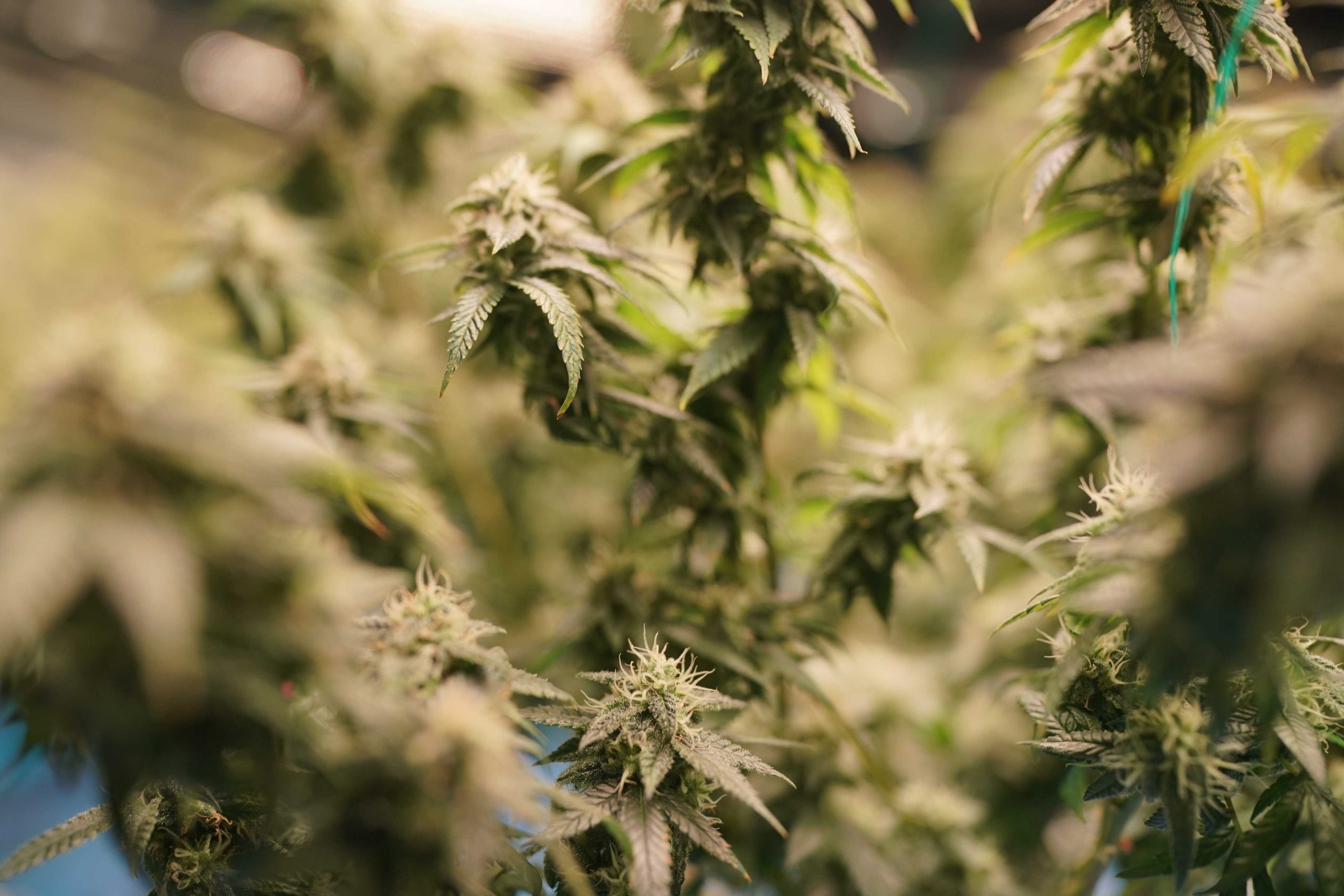
Have you ever purchased the same cannabis cultivar from two different growers and noticed that the flower didn’t look or smell exactly the same? One batch might have deeper color, denser buds, or a noticeably different aroma.
A cannabis phenotype helps explain why.
Every cannabis plant starts with genetics that establish a range of possible traits. However, genetics don’t work alone. Growing conditions and natural variation influence how those traits actually appear in the finished plant.
Understanding phenotypes can help explain why cannabis isn’t always as predictable as a strain name on a package might suggest.
What Is a Cannabis Phenotype?
A phenotype is the collection of observable characteristics that a plant expresses.
In cannabis, those characteristics can include:
- Plant structure
- Flower shape and density
- Color
- Aroma
- Trichome production
- Cannabinoid composition
- Terpene profile
- Flowering characteristics
Researchers studying drug-type cannabis have documented significant variation in morphological, agronomic, and cannabinoid traits across different cannabis varieties.
In simple terms, a phenotype describes how a plant’s genetics actually show up.
Genotype vs. Phenotype
To understand phenotypes, it helps to understand genotype first.
A genotype refers to the plant’s underlying genetic makeup. Think of it as the biological set of possibilities inherited from its parent plants.
The phenotype is what actually develops from that genetic potential.
A simple way to think about it is:
Genetics establish the possibilities. The environment helps shape the expression.
Research on cannabis describes this relationship as a genotype-by-environment interaction, meaning genetic background and growing environment can both contribute to variation among plants.
How Can the Same Genetics Produce Different Flower?
Environmental conditions influence how cannabis plants develop.
Factors can include:
- Light
- Temperature
- Humidity
- Nutrient availability
- Growing medium
- Plant maturity
- Environmental stress
These factors don’t rewrite the plant’s underlying genetics. Instead, they can influence how certain traits within those genetics become expressed.
This helps explain why genetically related plants don’t always finish with identical height, color, flower structure, or chemical composition.
What Is Pheno Hunting?
You’ll sometimes hear cannabis brands or breeders use the term “pheno hunt.”
When plants grow from seeds produced by the same genetic cross, individual plants can express different combinations of traits. Growers can evaluate those plants and identify expressions they find particularly desirable.
They might look for characteristics such as:
- Distinctive aroma
- Flower structure
- Resin production
- Color
- Cannabinoid profile
- Terpene profile
- Consistency
The selected plant can then become an important part of future production or breeding.
Leafly describes phenotype selection as the process of evaluating different expressions of cannabis genetics to identify plants with desirable traits.
Read Leafly’s guide to cannabis phenotype selection.
Why Do Phenotypes Matter to Consumers?
You don’t need to be a grower to benefit from understanding phenotypes.
The concept helps explain why a familiar strain name doesn’t guarantee an identical product every time.
You might purchase the same named cultivar from two different brands and notice differences in:
- Appearance
- Aroma
- Cannabinoid percentages
- Terpene composition
- Bud density
That doesn’t necessarily mean one product is incorrectly labeled. Different genetics sold under similar names, different selected phenotypes, cultivation environments, and post-harvest practices can all contribute to variation.
Phenotype vs. Chemotype
Here’s another useful distinction.
A phenotype broadly describes observable or measurable characteristics expressed by the plant.
A chemotype focuses specifically on chemical composition, including cannabinoid and terpene patterns.
The two concepts can overlap, but they aren’t interchangeable.
This is also why shopping by THC percentage alone provides an incomplete picture of a cannabis product. Two flowers may have similar THC levels while differing substantially in aroma, terpene composition, appearance, and other characteristics.
Why Does One Grower’s Version Look Better Than Another?
Phenotype is only part of the answer.
Once a grower selects particular genetics, cultivation practices still matter. Harvest timing, drying, curing, trimming, packaging, and storage can all influence what eventually reaches the dispensary shelf.
For example, indoor cultivation gives growers greater control over environmental factors throughout the plant’s development.
If you’re curious about that side of production, read OCC’s guide to Indoor Cannabis: What Makes It Different?.
Together, genetics, phenotype selection, cultivation, and post-harvest handling help shape the finished product.
Does a Special Phenotype Mean Better Cannabis?
Not automatically.
Terms like “selected phenotype,” “pheno,” or even numbered expressions can tell you something about how a producer identified a particular plant, but they don’t guarantee that you’ll personally prefer it.
Quality and preference are still individual.
Instead of treating phenotype terminology as a quality ranking, use it as additional information about the product’s genetics and production.
Why Cannabis Phenotypes Make the Plant More Interesting
Cannabis isn’t manufactured from one fixed recipe.
It’s an agricultural product with genetic diversity and environmental variation. That’s part of why different cultivators can produce distinct versions of related genetics.
Phenotypes also help explain the enormous variety found on modern dispensary shelves—from purple flower and unusual aromas to differences in trichome coverage and bud structure.
The strain name gives you one clue. The actual plant expression tells you much more.
Final Thoughts on Cannabis Phenotypes
A cannabis phenotype is the real-world expression of a plant’s genetic potential.
Genetics create the foundation, while environmental conditions and natural variation help determine which characteristics ultimately appear. That’s why plants with related genetics can still develop differences in appearance, aroma, structure, cannabinoids, and terpenes.
For consumers, understanding phenotypes provides another reason to look beyond strain names and THC percentages when exploring cannabis.
Pay attention to the cultivator, product information, terpene profile, freshness, and your own experience with different brands.
At Orange County Cannabis Co., we believe understanding what goes into the plant makes exploring what’s on the shelf that much more interesting.