As cannabis access continues to expand in New York, many people find themselves wondering about the differences between recreational vs medical cannabis. While both options allow legal access to cannabis, they serve different purposes and follow different rules.
Understanding how recreational and medical dispensaries differ can help you make informed choices based on your needs, preferences, and lifestyle.
What Is Recreational Cannabis?
Recreational cannabis, also known as adult-use cannabis, is available to adults aged 21 and over without the need for a medical card. Purchases are typically made at state-licensed recreational dispensaries.
Recreational cannabis is designed for general use, including relaxation, creativity, or social enjoyment. Shoppers can browse a variety of products, such as flower, edibles, vapes, and concentrates, within state-regulated limits.
What Is Medical Cannabis?
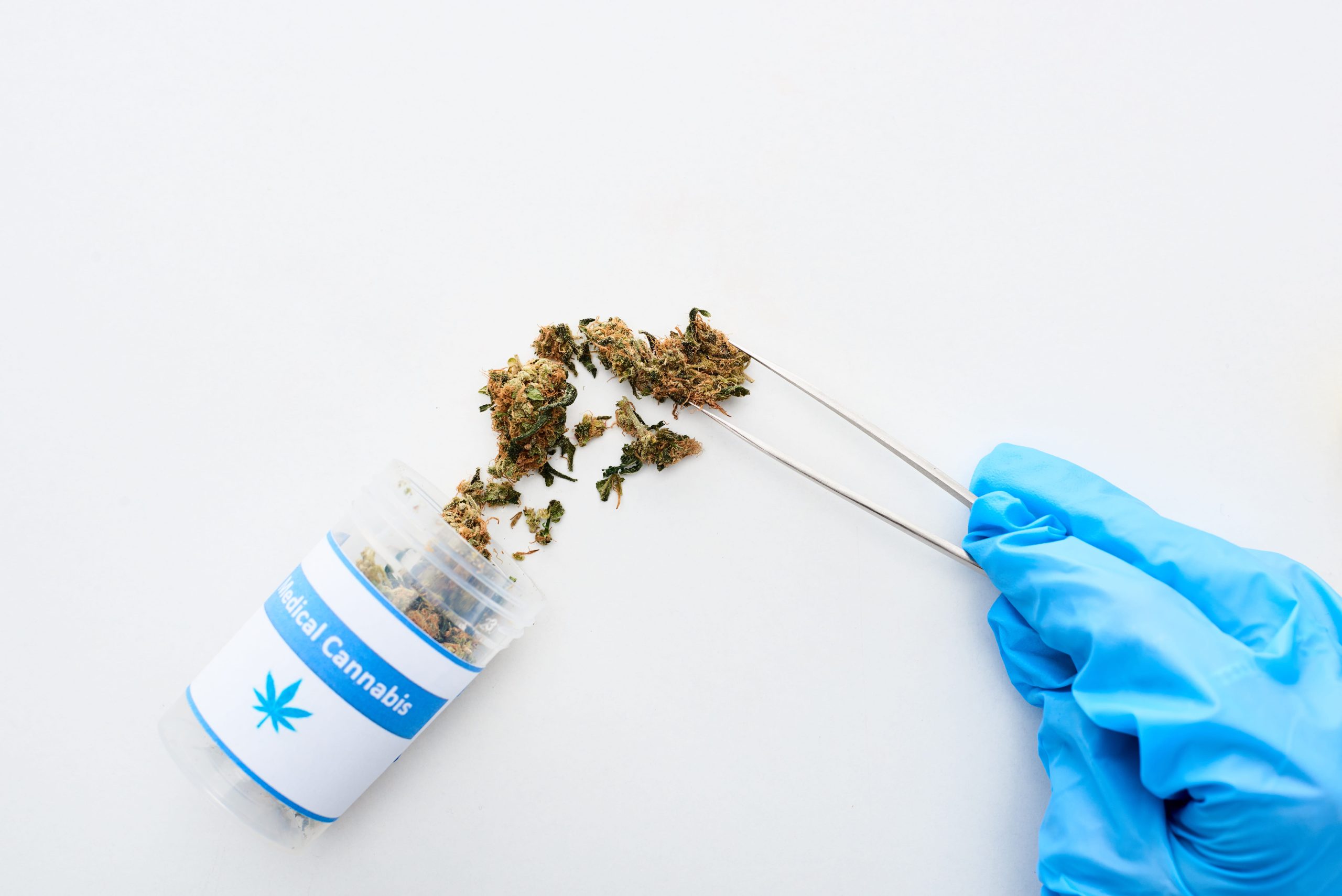
Medical cannabis is intended for individuals who use cannabis to help manage specific health conditions. Access requires certification from a healthcare provider and enrollment in the state’s medical cannabis program.
Medical dispensaries often focus more heavily on consistency, dosing, and therapeutic outcomes. Some products or formulations may only be available through the medical program, depending on state regulations.
Key Differences Between Medical and Recreational Dispensaries
While both types of dispensaries sell cannabis, there are several important distinctions.
- Recreational dispensaries require only valid identification proving age. Medical dispensaries require a medical certification and registration.
- Medical dispensaries may offer higher-potency products or specialized formulations. Recreational dispensaries typically focus on a broader selection designed for general adult use.
- Medical cannabis is often taxed differently and may have higher purchase limits. Recreational cannabis is subject to adult-use taxes set by the state.
- Medical cannabis is commonly approached with a treatment-focused mindset, while recreational cannabis is more experience-driven. Both settings provide education, but the emphasis may differ.
According to Silver Therapeutics, these differences are especially important in New York, where medical and recreational programs operate under distinct regulatory frameworks.
You can read their full breakdown here: Difference Between Medical and Recreational Cannabis in New York – Silver Therapeutics
How New York Cannabis Laws Shape the Experience
New York has developed a cannabis system that allows both medical and recreational access, but with clear separation between the two. This structure is designed to support patient needs while also allowing responsible adult-use consumption.
Silver Therapeutics notes that medical cannabis patients in New York may benefit from specific protections and access options that recreational consumers do not have, reinforcing the importance of understanding which program is the right fit.
Choosing the Right Option for You
Deciding between medical and recreational cannabis depends on individual circumstances. Some people value the flexibility of recreational access, while others prefer the structure and guidance of the medical program.
Questions to consider include:
- Are you using cannabis for general enjoyment or targeted relief?
- Do you prefer broader product variety or medical-specific formulations?
- Are tax differences or purchase limits a factor for you?
At Orange County Cannabis Co., our team is always available to help answer questions and explain what’s available within New York’s adult-use framework.
Final Thoughts
Both medical and recreational cannabis dispensaries play an important role in New York’s cannabis landscape. While they share similarities, the differences in access, regulation, and intent are worth understanding.
Learning how recreational vs medical cannabis works empowers people to choose the option that best aligns with their needs, comfort level, and goals.