Ever wonder why the same product can feel completely different depending on how you consume it? The answer lies in cannabis bioavailability—how much THC actually enters your bloodstream.
This concept explains why smoking, vaping, and edibles all produce different experiences, even at similar doses.
What Is Bioavailability?
Bioavailability refers to the percentage of a substance that enters circulation and becomes active in the body.
With cannabis, this varies significantly depending on how it’s consumed.
According to National Institutes of Health, “The bioavailability of inhaled THC ranges from 10–35%, while oral consumption is significantly lower due to digestion and liver metabolism.”
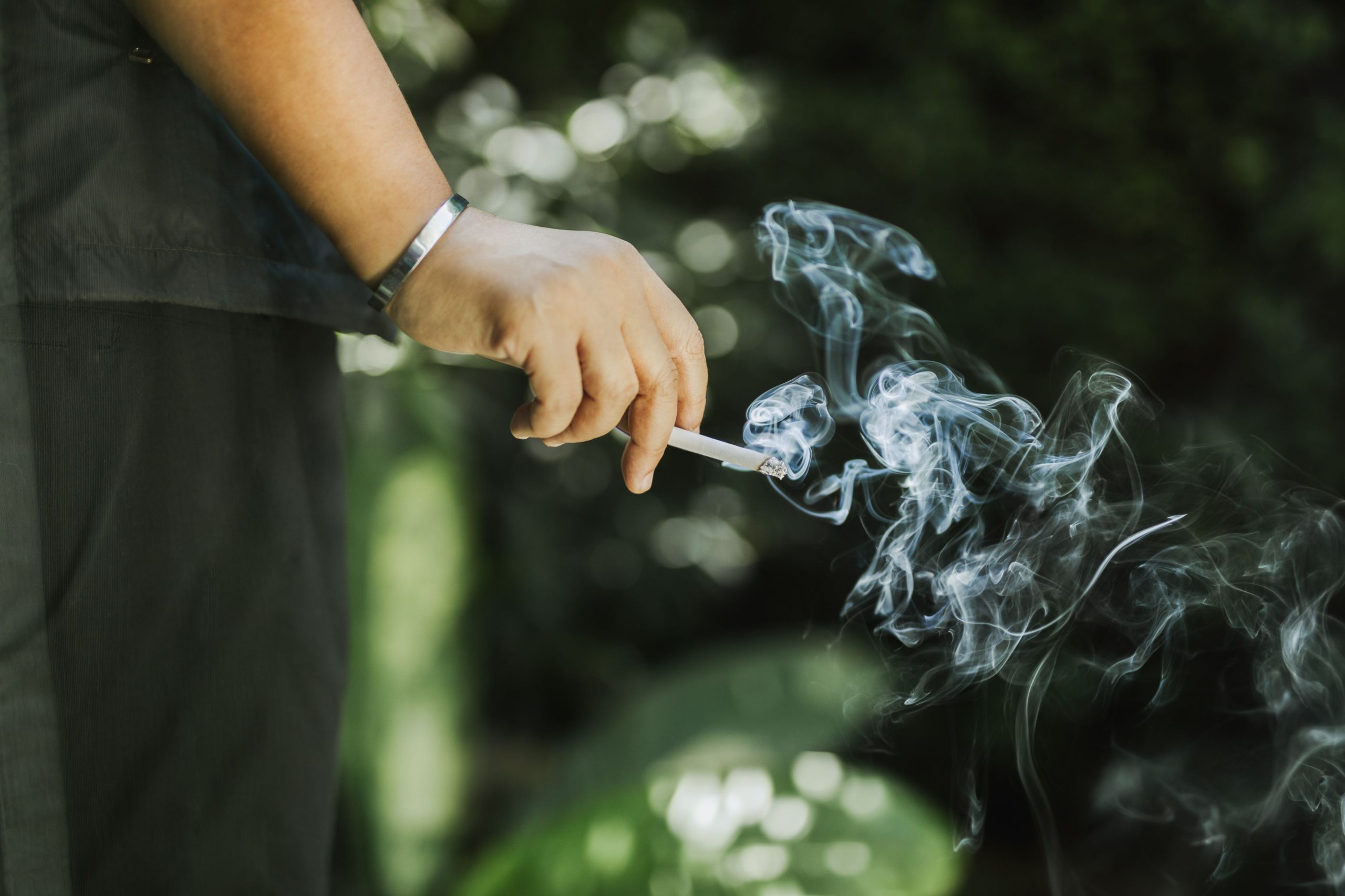
Why Smoking Feels Immediate
When cannabis is inhaled:
- THC enters the lungs
- Moves quickly into the bloodstream
- Effects are felt within minutes
This high bioavailability makes inhalation easier to control and adjust in real time.
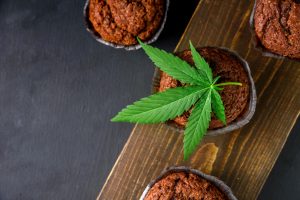
Why Edibles Feel Stronger (But Slower)
Edibles follow a completely different path:
- THC is digested
- Processed by the liver
- Converted into a more potent compound
This is why edibles can feel stronger, even though their bioavailability is technically lower.
The Role of First-Pass Metabolism
The liver plays a key role in transforming THC during digestion. This process, known as first-pass metabolism, changes how THC affects the brain.
According to NIH-backed research, this transformation is what makes edible highs feel more intense and longer-lasting.
Why This Matters for Consumers
Understanding bioavailability helps explain:
- Why edibles take longer
- Why smoking feels quicker
- Why doses aren’t interchangeable
This knowledge can prevent overconsumption and help create more predictable experiences.
Final Thoughts
Cannabis bioavailability is one of the most overlooked aspects of consumption. Once you understand how your body absorbs THC, it becomes much easier to choose the right method—and the right dose—for your needs.