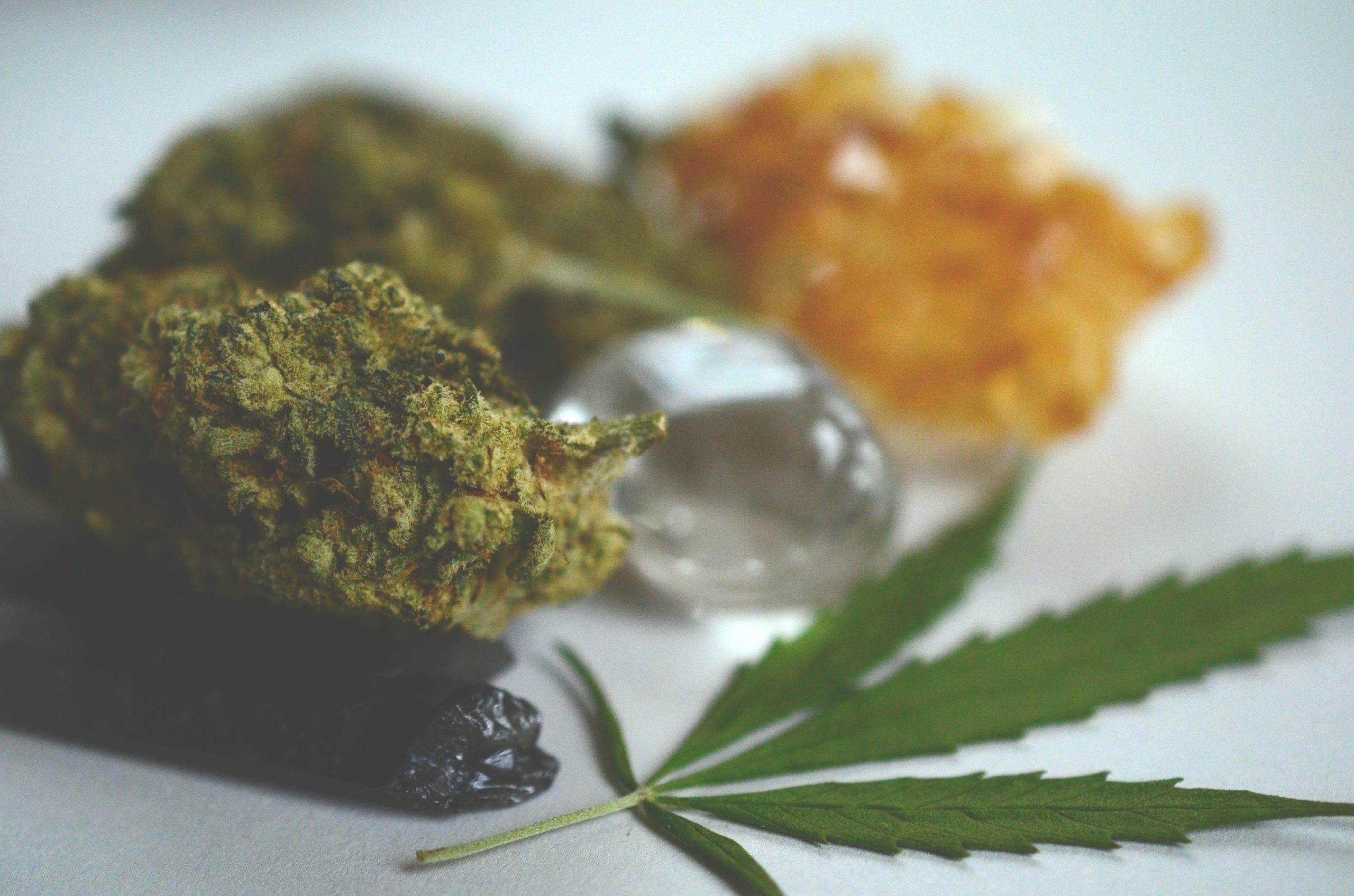
Cannabis flavor science helps explain why some strains taste fruity, spicy, earthy, or even dessert-like. While many consumers focus on THC percentage when choosing products, flavor actually comes from a different group of compounds. These compounds are called terpenes. Terpenes create the aroma of cannabis and play a major role in shaping how each strain tastes.
Because terpene profiles vary from plant to plant, cannabis products can have dramatically different flavor experiences. Some strains may taste bright and citrusy, while others have deep herbal or woody notes. Understanding cannabis flavor science can help consumers choose products that match their personal preferences.
How Terpenes Create Cannabis Flavor
Terpenes are aromatic molecules produced by many plants in nature. In fact, the same compounds responsible for the scent of pine trees, lavender, or citrus fruits also appear in cannabis.
For example, the terpene limonene produces a citrus aroma similar to lemons and oranges. Strains high in limonene often carry bright, fruity flavors. Another terpene called pinene creates a pine-like scent that feels fresh and herbal. Meanwhile, myrcene often produces earthy or musky notes.
Because cannabis plants produce many terpenes at once, their flavors can feel layered and complex. A strain might smell sweet and fruity at first, then reveal deeper herbal tones after grinding the flower. This combination of aromas is one of the reasons cannabis flavor science has become an important topic for both growers and consumers.
Why Flavor Matters for the Cannabis Experience
Flavor is not only about taste. Terpenes also interact with cannabinoids in the body. This interaction can influence how cannabis feels when consumed.
For example, limonene is often associated with bright or uplifting experiences. Myrcene is frequently linked to relaxing or calming sensations. While everyone responds differently, terpene content often helps explain why two strains with similar THC levels can feel very different.
Because of this relationship, many consumers now pay attention to terpene profiles when choosing products. Cannabis flavor science shows that aroma and flavor often reveal more about the experience than THC percentage alone.
How Cultivation Influences Flavor
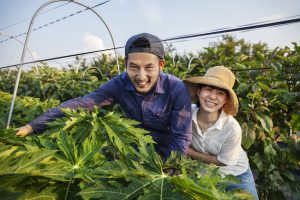
The way cannabis is grown has a major impact on terpene production. Environmental factors such as soil quality, lighting, nutrients, and climate can all influence flavor.
For example, plants grown under optimal conditions may produce stronger terpene profiles. Careful harvesting and curing practices also protect delicate terpene molecules. When cannabis is dried slowly and stored correctly, its flavor can remain rich and aromatic.
Because growing methods vary between producers, the same strain may taste slightly different depending on where it was cultivated. This variability is part of what makes cannabis flavor science so interesting.
Preserving Cannabis Flavor at Home
Once cannabis leaves the dispensary, proper storage becomes important. Terpenes are sensitive to heat, air, and light. Exposure to these elements can slowly reduce aroma and flavor.
Storing cannabis in airtight glass containers helps preserve terpene content. Keeping products in a cool, dark place also protects flavor compounds. These simple steps allow cannabis to maintain its original aroma for longer periods.
Discover Flavorful Strains at OCC
At Orange County Cannabis Co., customers can explore a wide range of terpene-rich strains from licensed producers. Our team enjoys helping shoppers understand cannabis flavor science and discover new aromas they enjoy.
Whether you prefer fruity, earthy, or herbal flavors, exploring terpene profiles can open the door to new cannabis experiences.
Learn More About Terpenes
For more information about terpene flavor science, visit:
https://www.leafly.com/news/cannabis-101/terpenes-the-flavors-of-cannabis
Understanding cannabis flavor science helps consumers appreciate the plant in a deeper way. Over time, aroma becomes one of the most reliable ways to explore and enjoy different cannabis strains.