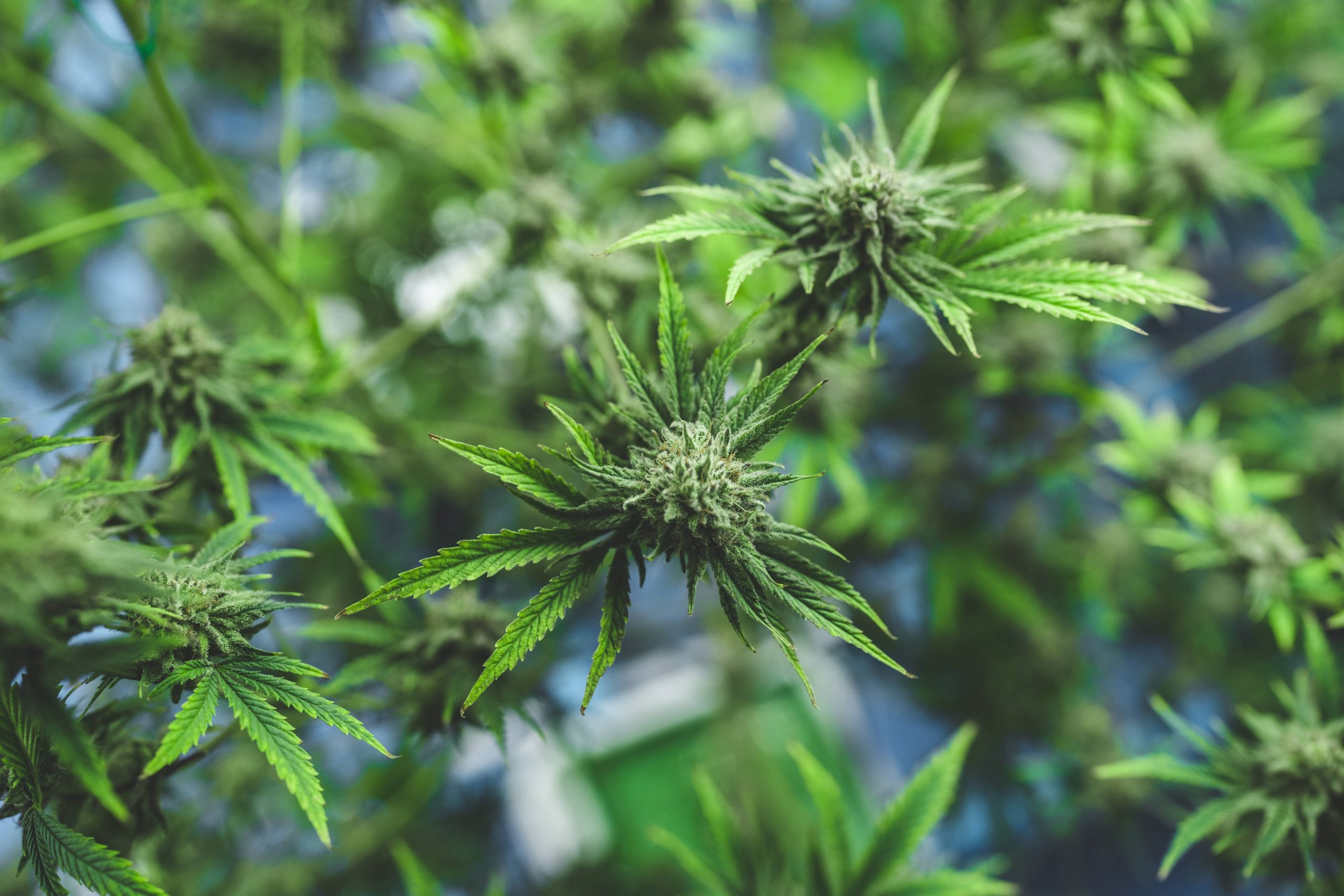
Not every cannabis flower grows into the dense, rounded buds you typically see in dispensary photos. Some develop long, narrow extensions that almost look like little towers growing out of the flower.
This unusual growth pattern is known as cannabis foxtailing.
Although foxtailing can look strange, it doesn’t always mean something went wrong during cultivation. Some cannabis cultivars naturally produce elongated flower structures because of their genetics. In other cases, environmental stress can contribute to the same appearance.
Understanding the difference can help consumers appreciate why cannabis flowers come in so many shapes and why appearance alone doesn’t determine quality.
What Is Cannabis Foxtailing?
Cannabis foxtailing occurs when flower structures develop in elongated, stacked formations rather than forming compact, rounded buds.
These extensions can resemble small spires or the shape of a fox’s tail, which explains the name.
During flowering, cannabis plants produce clusters of small floral structures. In foxtailing buds, additional growth develops upward or outward from existing flowers.
As a result, the buds may look:
- Elongated or pointed
- Less compact than typical flower
- Uneven or unusually shaped
- Covered in smaller, stacked flower structures
- Different from other buds on the same plant
However, not every elongated bud is a sign of poor cultivation.
What Causes Cannabis Foxtailing?
There are two commonly recognized explanations: genetics and environmental stress.
Genetic foxtailing occurs when a cultivar naturally develops elongated flower structures.
Stress-related foxtailing can develop when growing conditions interfere with normal flower development.
These two situations may look similar, but their causes are different.
That’s why understanding the plant’s genetics and cultivation environment matters.
Genetic Foxtailing: When It’s Completely Natural
Some cannabis cultivars naturally produce flowers with an elongated or stacked appearance.
This growth pattern is particularly associated with certain sativa-leaning genetic lines, although it isn’t exclusive to them.
In these cases, foxtailing reflects the plant’s inherited characteristics rather than a cultivation problem.
A genetically foxtailing plant can still produce healthy flowers with trichomes, cannabinoids, and terpenes.
Therefore, consumers shouldn’t automatically assume that unusually shaped flower is lower quality.
Just as cannabis cultivars vary in color, aroma, and leaf structure, they can also differ in how their flowers develop.
How Heat and Light Can Affect Flower Structure
Environmental conditions can also influence cannabis foxtailing.
During cultivation, plants respond to temperature, light intensity, water availability, and other environmental factors.
Excessive heat or unusually intense lighting during flowering may contribute to abnormal flower development in susceptible plants.
For example, growers sometimes observe new, elongated growth near the upper portions of plants exposed to intense grow lights.
However, foxtailing itself hasn’t been studied as extensively in controlled scientific trials as some other aspects of cannabis cultivation. Much of the practical guidance comes from commercial growers and cultivation specialists.
Consequently, it’s important not to assume that every foxtailed bud experienced heat or light stress.
Does Foxtailing Mean Cannabis Is Low Quality?
Not necessarily.
The cause matters more than the shape alone.
A cultivar that naturally develops elongated flowers may still produce desirable cannabinoid and terpene profiles.
On the other hand, severe environmental stress can negatively affect plant development and potentially influence flower quality.
When evaluating cannabis, consider several characteristics together:
- Cannabinoid content
- Terpene profile
- Aroma
- Trichome coverage
- Freshness
- Cultivation practices
- Laboratory testing
A flower’s shape provides some information, but it doesn’t tell the entire story.
Does Cannabis Foxtailing Affect THC?
Foxtailing doesn’t automatically mean higher or lower THC.
Cannabinoid production depends on genetics, cultivation, plant development, and other factors.
A naturally foxtailing cultivar may have a high THC concentration, while a compact cultivar may have a lower one—or vice versa.
Likewise, environmental stress can influence plant development without producing a predictable change in THC content.
For consumers, the most reliable way to understand potency is to review the product’s laboratory-tested cannabinoid information.
Why Flower Density Isn’t Everything
Dense buds often receive attention because of their appearance and texture.
However, density isn’t a universal measurement of cannabis quality.
Some genetics naturally produce tighter flower structures, while others develop more open or elongated formations.
That doesn’t automatically mean one cultivar is better than another.
Instead, flower quality involves a combination of genetics, cultivation, harvesting, drying, curing, and storage.
Understanding these differences can help consumers avoid judging cannabis entirely by appearance.
What Do Cultivation Experts Say?
Cannabis cultivation specialists recognize both genetic and stress-related foxtailing.
For example, Athena’s guide to cannabis foxtailing explains how inherited traits and environmental conditions can contribute to elongated flower structures.
Athena
The distinction is important because naturally occurring foxtailing doesn’t necessarily require corrective action, while stress-related growth may indicate that cultivation conditions need attention.
How Does Foxtailing Relate to Cannabis Genetics?
Foxtailing offers another example of how genetics influence the appearance of cannabis.
Two cultivars can develop different flower structures even when grown under similar conditions.
Furthermore, plants from the same genetic cross may express different traits depending on their inherited characteristics and growing environment.
If you’re interested in understanding why related cannabis plants can look different, explore our guide to cannabis phenotypes and flower variation.
Learning about phenotypes helps explain why color, structure, aroma, and other characteristics can vary between plants.
What Should Consumers Look for When Shopping?
Instead of focusing exclusively on flower density or appearance, consider the overall product.
For example, a well-cultivated flower with an unusual structure may still offer an appealing aroma and cannabinoid profile.
Meanwhile, a visually impressive bud isn’t automatically the best choice.
Understanding how cultivation and genetics influence cannabis can help you ask better questions when exploring products.
At Orange County Cannabis Co., our goal is to make those details easier to understand.
Final Thoughts on Cannabis Foxtailing
Cannabis foxtailing is an unusual flower growth pattern that can occur because of genetics or environmental conditions.
While some plants naturally produce elongated buds, others may develop similar structures in response to excessive heat, intense lighting, or other cultivation stresses.
Most importantly, foxtailing alone doesn’t determine potency or quality.
The next time you encounter cannabis flower with an unusual shape, remember that genetics, environment, and cultivation practices all contribute to the finished product.
Understanding those factors can help you look beyond appearance and make more informed decisions when shopping for cannabis.