Break apart a fresh cannabis bud and you might notice resin sticking to your fingertips. Other flower may feel much drier and crumble apart easily. So, why is some sticky cannabis while other flower isn’t?
Much of that sticky feeling comes from the plant’s resin-producing trichomes. These tiny structures contain many of the cannabinoids and aromatic compounds associated with cannabis. However, stickiness can also depend on genetics, freshness, cultivation, curing, and storage.
And while sticky flower can certainly be appealing, stickier doesn’t automatically mean stronger or better.
Here’s what’s actually happening.
What Makes Cannabis Sticky?
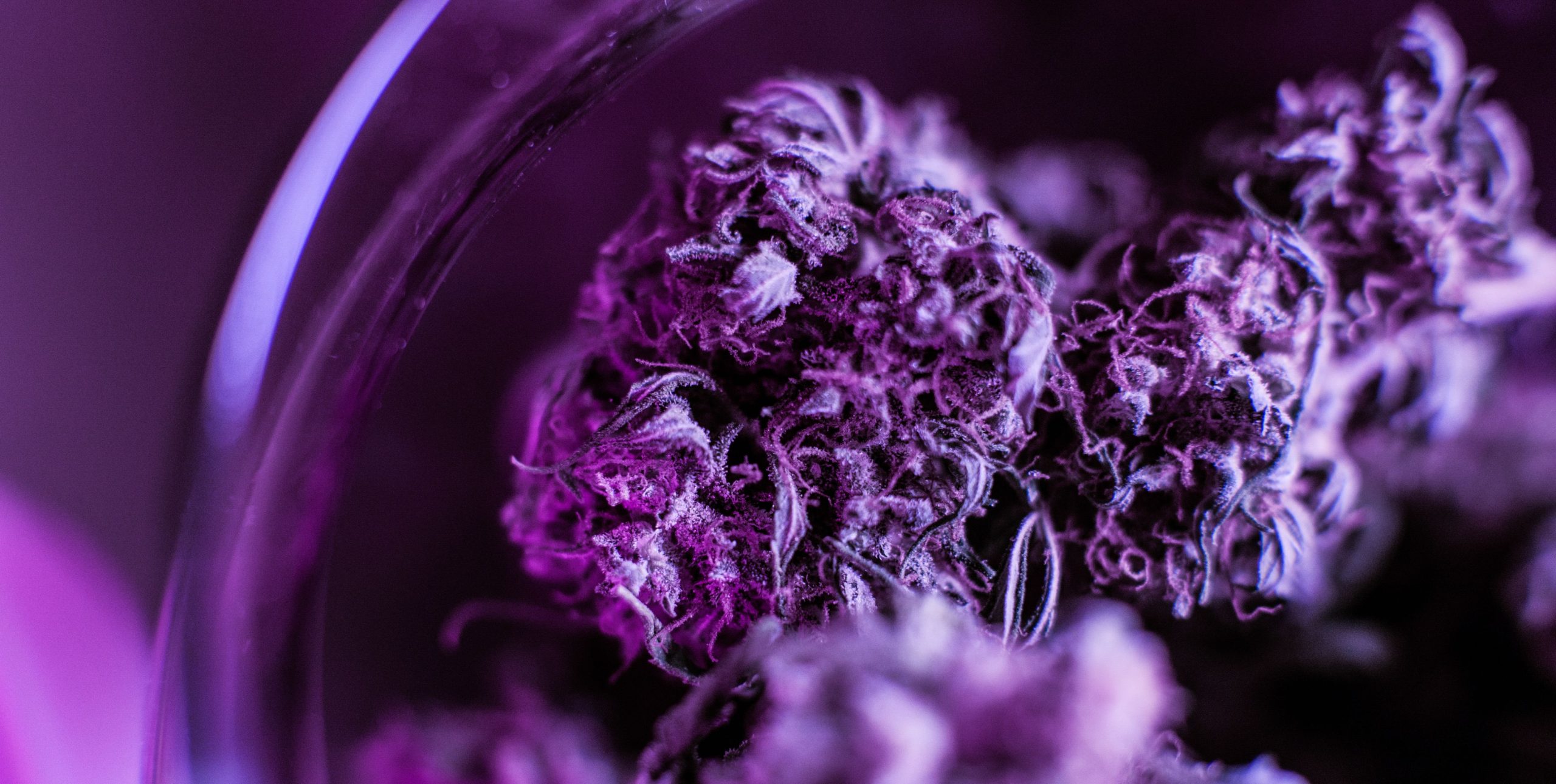
The surface of cannabis flower contains tiny structures called glandular trichomes.
Under magnification, many trichomes resemble small stalks topped with rounded resin glands. These glands produce and store cannabinoids and terpenes.
That resin can create the tacky feeling you notice when handling fresh flower.
Cannabis researchers have identified glandular trichomes as important sites for the production and storage of cannabinoids and terpenes. Because these structures concentrate many of the compounds people associate with cannabis, they’re also extremely important for hash and concentrate production.
Why Are Trichomes Resinous?
Resin isn’t produced for human convenience.
For the cannabis plant, these chemical compounds can serve biological purposes. Researchers believe glandular trichomes and their metabolites can help plants interact with and defend themselves against aspects of their environment.
For consumers, however, that resin contributes to several familiar characteristics:
- Stickiness
- Aroma
- Visible “frost”
- Cannabinoid content
- Terpene content
When you handle particularly resinous flower, some of those trichome glands can rupture or transfer resin onto your fingers.
Does Sticky Cannabis Mean It’s Fresh?
Sometimes—but not always.
Fresh, properly stored flower often retains more moisture and pliability than cannabis that has been sitting in poor conditions for a long time. Therefore, fresh flower may feel softer and tackier.
Meanwhile, older or improperly stored cannabis may become:
- Dry
- Brittle
- Crumbly
- Less aromatic
However, moisture and resin aren’t the same thing.
Flower shouldn’t feel wet simply because it’s sticky. Excess moisture can create storage problems and potentially encourage microbial growth.
Good flower should feel appropriately cured rather than damp.
Why Is Some Flower Stickier Than Others?
Genetics play a major role.
Some cannabis cultivars naturally develop heavier trichome coverage and produce more resin than others. That’s one reason certain genetics become particularly desirable for hash and solventless concentrate production.
Cultivation also matters.
Factors such as plant health, environmental conditions, harvest timing, drying, curing, and handling can influence the final flower.
As a result, two cultivars grown under similar conditions can still feel very different.
Does Sticky Cannabis Mean Higher THC?
Not necessarily.
This is an important misconception.
Trichomes contain cannabinoids, but you can’t accurately determine THC percentage by touching a flower.
A particularly sticky cultivar might contain abundant resin and a complex terpene profile without having the highest THC percentage on the shelf.
Likewise, flower with a high laboratory-tested THC concentration doesn’t necessarily have to feel exceptionally sticky.
If potency matters to you, the product’s testing information provides far more useful information than texture alone.
Does Stickiness Mean Better Quality?
Again, not automatically.
Stickiness is one characteristic, not a universal quality score.
When evaluating flower, consider the bigger picture:
- Aroma
- Freshness
- Trichome coverage
- Cannabinoid profile
- Terpene information
- Cultivation
- Cure
- Storage
- Your own preferences
A sticky bud with poor aroma or improper moisture isn’t automatically premium flower.
Likewise, a less-sticky cultivar isn’t necessarily low quality.
Why Sticky Flower Can Be Harder to Grind
Resin can also explain why some flower behaves differently in a grinder.
Very resinous buds may cling together rather than breaking into a dry, fluffy consistency. Some resin may also collect along grinder teeth and surfaces over time.
Meanwhile, trichomes that separate from dried flower can accumulate as kief.
This is why grinders with multiple chambers sometimes collect a fine, powdery layer beneath the ground flower. That material contains separated trichomes and other small plant particles.
Sticky Cannabis and Concentrate Production
Resin production becomes especially important when making concentrates.
Hash makers want access to the resin-rich trichomes covering the plant. Depending on the method, producers can separate or extract those compounds to create products such as:
- Ice water hash
- Rosin
- Live rosin
- Live resin
- Other cannabis concentrates
This is one reason cultivators sometimes describe certain genetics as strong “hash-producing” cultivars. They’re interested not only in how the flower looks but also in the quality and behavior of its resin glands.
If you’re curious about how producers isolate those trichomes without chemical extraction solvents, explore more concentrate and cultivation guides on the Orange County Cannabis Co. blog.
What Does Research Say About Cannabis Resin?
Scientific research has examined cannabis glandular trichomes because they serve as major sites for cannabinoid and terpene biosynthesis and storage.
A review published through the National Library of Medicine explains how cannabis glandular trichomes produce and accumulate specialized metabolites, including cannabinoids and terpenes.
Read the research on cannabis glandular trichomes
That biology helps explain why resin plays such an important role in both cannabis flower and concentrate production.
How Storage Affects Sticky Flower
Storage conditions can change how flower feels over time.
Heat, excessive airflow, and poor containers can cause cannabis to lose moisture and aromatic compounds. As a result, flower may gradually become drier and more brittle.
Keeping cannabis sealed and away from excessive heat and direct sunlight can help preserve its characteristics.
Still, no storage method keeps flower unchanged forever. Cannabis naturally changes as it ages.
Final Thoughts on Sticky Cannabis
Sticky cannabis gets much of its tacky texture from resin produced by the plant’s glandular trichomes.
Those same structures contain cannabinoids and terpenes, which explains why resin receives so much attention from flower enthusiasts and concentrate makers.
However, stickiness alone doesn’t tell you everything.
It doesn’t guarantee higher THC. It doesn’t automatically mean better quality. And unusually wet flower shouldn’t be mistaken for resinous flower.
Instead, treat texture as one part of a larger picture that includes genetics, aroma, freshness, cannabinoid content, terpene profile, cultivation, curing, and storage.
At Orange County Cannabis Co., we believe understanding details like these helps consumers look beyond a single THC number and better appreciate what actually makes each cannabis product different.