You may have seen cannabis products with names like “#4,” “Pheno #7,” or “Breeder’s Cut” attached to an otherwise familiar cultivar. Those numbers aren’t necessarily random. They can point to an important part of cannabis cultivation and breeding: cannabis phenotypes.
Plants that share the same parental genetics don’t always grow into identical copies. Individual plants can display differences in aroma, color, structure, resin production, flowering time, and other characteristics.
That’s why breeders may grow many plants from the same cross before choosing one particular version to preserve.
Here’s what that process actually means.
What Are Cannabis Phenotypes?
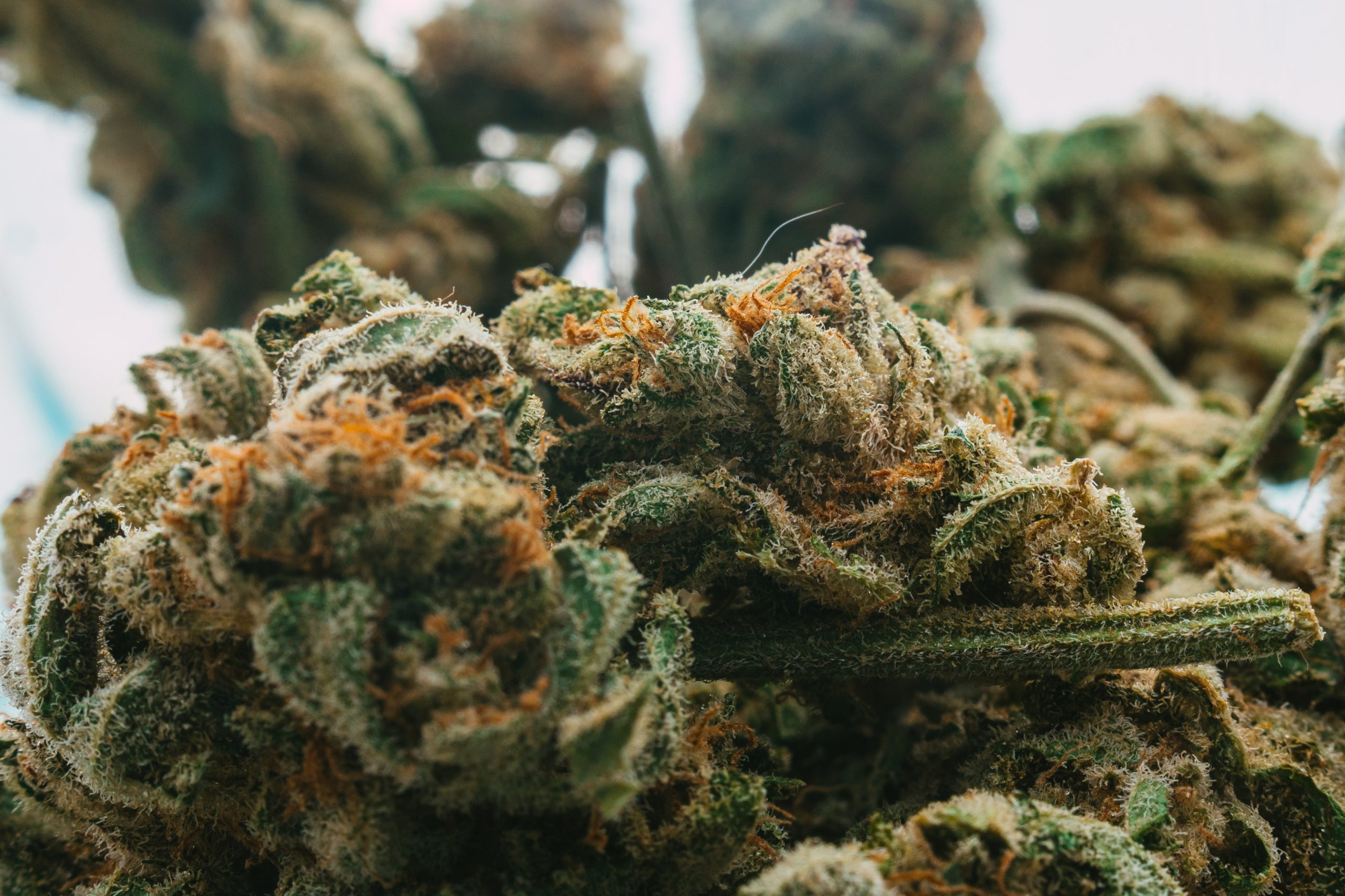
A phenotype refers to the observable characteristics of a plant.
Those characteristics can include:
- Plant height
- Branching structure
- Flower shape
- Color
- Aroma
- Resin production
- Flowering time
- Cannabinoid composition
A plant’s phenotype develops through an interaction between its genetics and its growing environment.
In other words, genetics provide the blueprint, but the finished plant reflects both that blueprint and the conditions under which it grows.
Genotype vs. Phenotype
These two terms sound similar, but they describe different concepts.
A genotype refers to a plant’s genetic makeup.
A phenotype refers to the traits that become observable as that genetic information is expressed.
Think of genotype as the set of possibilities contained within the plant’s DNA. The phenotype is what you ultimately see expressed.
Researchers studying commercial cannabis have documented substantial variation in morphological, agronomic, and cannabinoid traits among different genetic accessions. They also note that cannabis characteristics can reflect interactions between genetic background and growing environment.
Why Can Seeds From the Same Cross Look Different?
Imagine a breeder crosses two cannabis plants.
The resulting seeds inherit genetic material from both parents. However, those seeds don’t necessarily inherit the exact same combination of genetic variants.
Think about siblings in a family. They share parents, yet one may be taller, another may have different hair, and another may resemble one parent more strongly.
Cannabis offspring can show variation too.
One plant from a cross might develop:
- Strong citrus aromas
- Purple coloration
- Dense flower structure
Another sibling might lean toward:
- Earthier aromas
- Green coloration
- Different plant architecture
They’re related, but they’re not necessarily identical.
What Is Pheno Hunting?
This variation creates an opportunity for breeders.
Pheno hunting is the process of growing multiple plants from a genetic cross and evaluating them to identify individuals with desirable characteristics.
A breeder may evaluate traits such as:
- Aroma
- Flower structure
- Trichome production
- Yield
- Color
- Cannabinoid profile
- Plant vigor
- Flowering time
Leafly describes pheno hunting as selecting a desirable phenotype from multiple offspring produced by the same cross, then potentially cloning that selected plant for continued production.
Read Leafly’s explanation of cannabis pheno hunting
What Does “Pheno #4” Mean?
Suppose a breeder grows 20 plants from the same cross.
For organization, those plants might be labeled:
Plant #1
Plant #2
Plant #3
Plant #4
…and so on.
After evaluating the entire group, the breeder might decide that #4 has the characteristics they want to preserve.
That number can sometimes remain attached to the cultivar when the selected phenotype reaches production.
Therefore, when you encounter a product with a number after its name, it may indicate a particular selection from a breeding project.
However, naming conventions aren’t standardized across the entire cannabis industry. A number alone shouldn’t be treated as proof of a specific breeding process unless the producer explains what it represents.
Why Do Growers Clone Selected Phenotypes?
Once breeders identify a plant they particularly like, growing new seeds wouldn’t guarantee an identical replacement.
Seeds reshuffle genetics.
Cloning solves that problem.
Growers take cuttings from the selected plant and root those cuttings to produce genetically identical plants.
This allows cultivators to preserve a specific genotype rather than repeatedly searching through seeds for a similar expression.
Clonal propagation is one reason a particular cannabis selection can remain commercially available over multiple cultivation cycles.
Can the Same Clone Still Grow Differently?
Here’s where things get even more interesting.
Even genetically identical plants can show differences when grown under different environmental conditions.
Light intensity, temperature, nutrients, water availability, and other environmental factors can influence how genes become expressed.
Plant scientists call this phenomenon phenotypic plasticity—the ability of the same genotype to produce different observable traits under different environmental conditions.
So, even cloning doesn’t mean every harvest will be absolutely identical.
Cultivation still matters.
Why Growing Environment Matters
This relationship between genetics and environment is especially important when discussing cannabis quality.
A strong genetic line gives growers desirable potential. However, cultivators still need to manage:
- Lighting
- Temperature
- Humidity
- Nutrition
- Irrigation
- Plant health
- Harvest timing
Research involving cannabis populations has found substantial phenotypic diversity and emphasizes the role of both genetics and environment in plant development.
That’s one reason the same cultivar grown by two different producers may not look exactly the same.
Do Phenotypes Have Different Cannabinoid Profiles?
They can.
Different individuals from related genetics may show variation in their chemical profiles alongside physical differences.
Cannabis researchers evaluate traits such as THC, CBD, other cannabinoids, plant architecture, flowering behavior, and biomass when studying phenotypic diversity.
However, consumers shouldn’t assume that a numbered phenotype is automatically more potent or higher quality.
The number identifies a selection; it isn’t a quality score.
Laboratory results and product information remain more useful when evaluating cannabinoid content.
Why Cannabis Phenotypes Matter When Shopping
Understanding phenotypes gives you another way to interpret cannabis menus.
If you see:
Cultivar Name #4
or
Cultivar Name – Selected Pheno
you’ll know the producer may be referring to a specific expression selected from a larger genetic population.
That can be particularly interesting for consumers who enjoy learning about breeders, genetics, and cultivation.
Still, phenotype information works best alongside other product details—not instead of them.
Consider:
- Cannabinoid profile
- Terpenes
- Cultivation method
- Producer
- Freshness
- Your personal preferences
Together, those details provide a much fuller picture.
Learn More About Cannabis at OCC
Phenotypes are only one part of understanding how cannabis moves from genetics to finished flower.
Cultivation method, post-harvest handling, extraction, cannabinoids, and terpenes can all influence the products that eventually reach dispensary shelves.
Explore more guides in the Orange County Cannabis Co. education blog to learn more about the science and production behind today’s cannabis products.
Final Thoughts on Cannabis Phenotypes
Cannabis phenotypes help explain why plants sharing the same lineage don’t always look, smell, or grow exactly alike.
Genetics provide the blueprint, but individual inheritance and growing conditions influence how those traits ultimately appear.
Breeders use pheno hunting to explore that variation and identify plants with characteristics they want to preserve. Once they find a standout selection, cloning can help maintain that genotype for future harvests.
The next time you see a phenotype number attached to a cannabis product, you’ll know there’s potentially a much larger breeding and selection story behind that little number.
At Orange County Cannabis Co., we believe understanding those details makes exploring cannabis more interesting—and helps consumers look beyond THC percentage alone.