
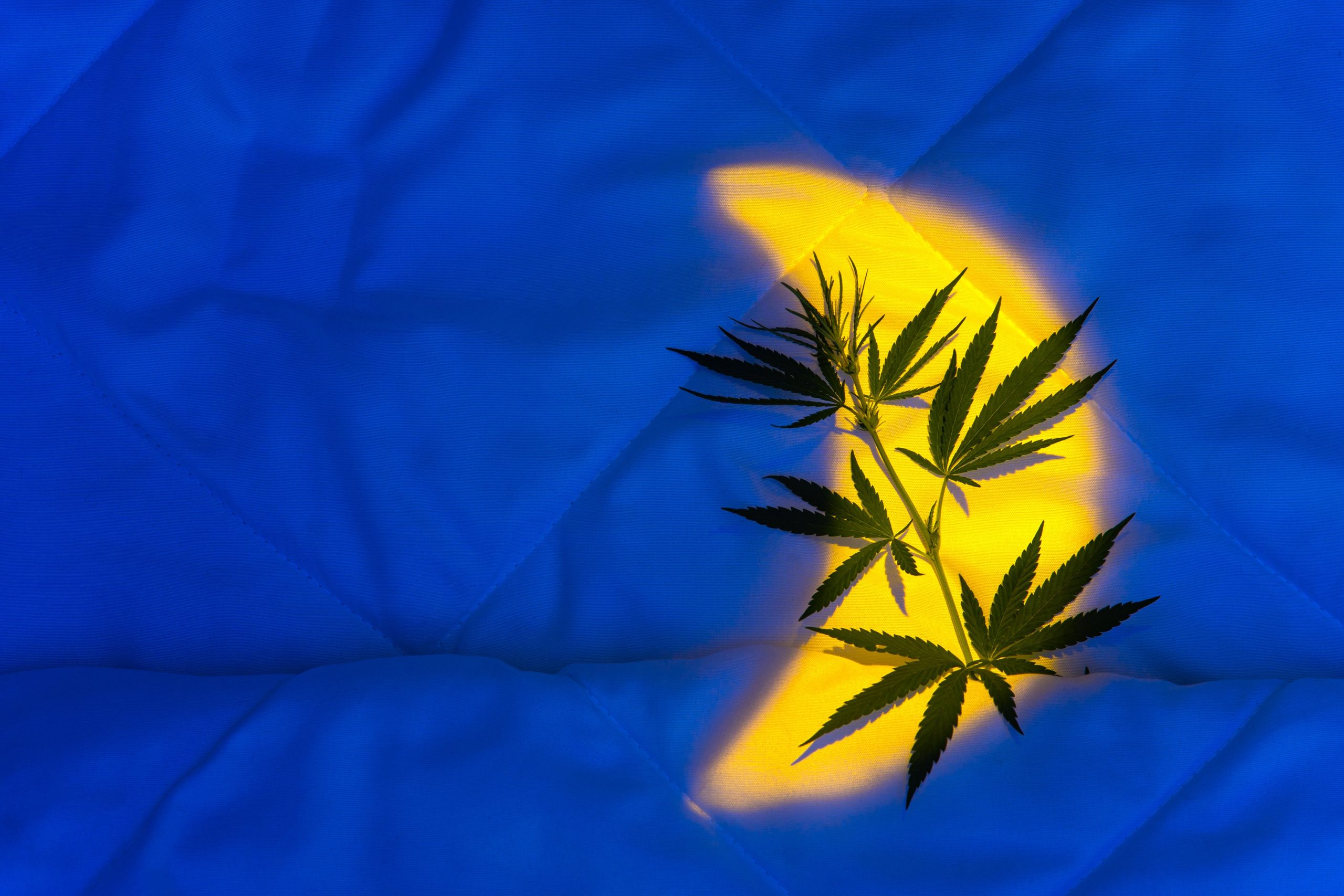
Cannabis and sleep cycles are more connected than many people realize. While some consumers use cannabis to unwind, timing and dosage matter more than strain names alone. Understanding how cannabis interacts with natural sleep patterns can help support deeper rest.
How Sleep Cycles Work
Sleep happens in stages. These include light sleep, deep sleep, and REM sleep. Each stage plays a role in recovery and mental clarity. Disrupting one stage can affect how refreshed you feel the next day.
Cannabis can influence how long you stay in each stage. Because of this, effects vary depending on product type and timing.
Timing Matters More Than You Think
Cannabis consumed too close to bedtime may shorten REM sleep for some people. However, consuming earlier in the evening often supports relaxation without disrupting sleep cycles. As a result, many consumers prefer lower doses taken one to two hours before bed.
Edibles take longer to activate. Therefore, timing is especially important. Inhaled formats act faster but fade sooner.
Dose and Product Type
Low doses often work better for sleep support. High doses may cause grogginess or restless sleep. Balanced THC-to-CBD products tend to feel smoother. Meanwhile, CBD-forward options may support relaxation without intoxication.
Terpenes also play a role. Linalool and myrcene are often linked to calming effects. However, responses vary by individual.
Creating a Nighttime Routine
Consistency improves results. Try using cannabis at the same time each evening. Pair it with calming habits like stretching, dim lighting, or reading. Avoid screens and heavy meals close to bedtime.
Explore Sleep-Friendly Options at OCC
At Orange County Cannabis Co., our staff can help you explore products suited for evening use. We’ll explain timing, dosing, and terpene profiles clearly.
Learn More About Sleep Science
For broader sleep education, visit Sleep Foundation’s guide to sleep cycles.